Forthcoming Drug Recommendations for Type 2 Diabetics from NICE

NICE have some drug recommendations to make for diabetics in their forthcoming guidelines later this year. It can be seen that NICE are heavily influenced by drug costs. So what could these new guidelines mean for you?

The blood pressure recommendations have scarcely changed but the use of Repaglinide first or second line for blood sugar control is a change from previously. Blood sugar targets have tightened up a bit and structured education is expected for insulin users. Cheaper, older insulins are favoured. Blood sugar testing is being rationed considerably. Aspirin is out of favour but drugs for erectile dysfunction are in. Erythromycin is being adopted for the very difficult to manage problem of gastroparesis.

The medications you will need to take to improve your life with diabetes will depend on many factors. Primarily, what do you want a medication to do for you?

The answer to this will depend on how well you are managing lifestyle changes, how long you have had the condition, the presence of any complications, and how tight you want glycaemic control, blood pressure and lipids to be. The targets need to be individualised to you, and this can be done by becoming more informed about your condition and discussing it with other health care providers and people with diabetes. We discuss these factors in our book, the Diabetes Diet, and I will be updating you on some of the new recommendations in further articles.

This article covers the changes to blood pressure medications, glycaemic targets and drugs to control blood sugar, self-monitoring of blood sugar, insulin initiation and the management of complications.

Blood pressure

For diabetics the BP target is 140/80 if there are no blood vessel complications such as kidney, eye or cerebrovascular disorders. If these are present the target is 130/80. BP lowering can improve peripheral neuropathy as well as stroke, MI, blindness and renal failure. 25% of those with type 2 diabetes develop nephropathy within 20 years of diagnosis.

Because ACE inhibitors and sartans reduce progression to renal disease better than other classes of anti-hypertensive agent they should be used first in diabetics unless they are a woman who could get pregnant as this class of drug is teratogenic. First line for women in this situation is a Calcium channel blocker CCB instead.

For Afro-Caribbean use ACE + diuretic or ACE + Calcium channel blocker. This is because this group respond less well to ACEs and sartans so should have add on drugs right from the start.

For those who can’t tolerate an ACE use a sartan unless there is renal deterioration or hyperkalaemia.

If BP is still not controlled add a CCB or thiazide diuretic.

If still not controlled use any of an alpha blocker e.g. Doxasozin or a beta blocker e.g. Bisoprolol or potassium sparing diuretic e.g. Spironolactone.

If someone has already had a heart attack or heart failure they will probably be on a beta blocker anyway. Carvedilol was superior to metoprolol in metabolic terms for renal protection in one study.

Use spironolactone with caution if someone is already on a sartan or ACE because they all can raise potassium.

Glycaemic control


All-cause mortality rises as hbaic rises and decreases as hbaic reduces. The risk of microvascular complications increase over hba1c of 6.5% (48 mmol/mol) or 7% (53) for macrovascular complications. Fasting blood glucose levels influence MI but not stroke or angina.  Amputation rates rise over the age of 60 for any given hbaic. Therefore it can be seen that to improve life expectancy and the quality of life that in general the tighter the blood sugar control the better.  At the same time doctors are asked to adopt an individualised approach to blood sugar targets and consider life expectancy, personal preferences, co-morbidities, risks of polypharmacy and they should consider stopping ineffective drugs.

Targets:

NICE felt they could not comment on hba1c under 6% because only one study they looked at achieved this. Hba1cs in the 4s or 5s are not uncommon in low carbing diabetics however so don’t let this put you off your stride. NICE do say that if adults reach a lower blood sugar target than they were expecting and are not having hypoglycaemia the doctor should encourage them to maintain it.

They suggest:

6.5% for non-drug using diabetics or on drugs that don’t cause hypos e.g. metformin, pioglitazone, gliptins, victoza.

7% for the rest e.g. repaglinide, sulphonylureas, insulin.

7.5% intensify treatment, but individual circumstances e.g. life expectancy, co-morbidities, hypos need to be taken into account.

Drug step-laddering:

The first step for most diabetics is to offer metformin as the initial drug treatment.  But don’t give or stop metformin if the kidney test, the egfr is below 30 and use with caution if under 45. Regular metformin can give diarrhoea and if this is a problem the long acting version can be used.

If there is symptomatic hyperglycaemia, such as thirst and weight loss consider a sulphonylurea or insulin first. Other drugs may be considered once the blood sugars have stabilised. .

Next they suggest Repaglinide on its own or with metformin. Repaglinide is not licenced with other drugs. For people who could not tolerate metformin and repaglinide are the most cost effective treatment option.

If repaglinide was not suitable or is not achieving the desired blood sugar target any of pioglitazone, a sulphonylurea or a gliptin can be used.  The choice can be tailored to the patient.

Sulphonylureas had the most hypos and gliptins the least. Metformin had the best weight loss. Sulphonylurea and Pioglitazone had the most weight gain. NICE prefer doctors to use the lowest cost gliptin because they are relatively expensive.

Reducing hypoglycaemia should be a particular aim for those on insulin or a sulphonylurea. As blood sugar monitoring is necessary for these drugs, this factor can increase the cost considerably over and above the costs of the medication.

Consider GLP1 mimetic i.e. Byetta or Victoza if the BMI is over 35.  Only continue it if hba1c goes down by 1% and weight goes down by 3% over six months.

Insulin is considered to be the “last option”. There is currently research being carried out on the effects of early use of insulin in type two diabetes and this may change practice in the future.

Only offer insulin + Victoza in specialist care setting.

Insulin initiation

When starting insulin use support from an appropriately trained health professional and give:

Structured education

Telephone support

Frequent self monitoring

Dose titration to target

Dietary understanding

Hypoglycaemia management

Management of acute rises in blood sugar

Continue metformin

The usual first choice insulin is NPH insulin at bedtime or twice daily.

The more expensive Lantus or Levemir may be considered if a carer would be able to cut to once daily injections or if hypoglycaemia is a problem or otherwise the patient would need twice daily NPH and oral drugs or they can’t use the NPH device.

If hbaic is 9% (75) consider twice daily pre-mixed bi-phasic insulin.

Blood sugar testing

NICE recommends that self- monitoring of blood sugars is to be avoided unless a person is on insulin, has symptomatic hypoglycaemia, or oral medication that causes hypos or driving or operating machinery, pregnant or trying for a baby.  It may be worth considering if a patient is on oral or intravenous steroids.

Doctors or nurses should reassess the need for self monitoring annually to see if it remains worthwhile.

Self monitoring produced only a 0.22% reduction in hbaic. It was considered by NICE to be not helpful for most people with type two diabetes though more hypos were detected with it.


Anti-platelet therapy for cardiovascular protection

There is no overall benefit to taking aspirin or clopidogrel in type 2 diabetes unless they already have cardiovascular disease.

Managing complications

Autonomic neuropathy symptoms are: gastroparesis, diarrhoea, faecal incontinence, erectile dysfunction, bladder disturbance, orthostatic hypotension, gustatory and other sweating disorders, dry feet and ankle oedema.

Treatments for gastroparesis are metoclopramide, domperidone and erythromycin.

Refer to a specialist if severe or persistent vomiting occurs or the diagnosis is in doubt.

Nocturnal diarrhoea may indicate autonomic neuropathy.

Tricyclics are often given for neuropathic pain but can increase postural hypotension.

Erectile dysfunction

Offer men the chance to speak about this at their annual review. Offer Viagra, Cialis and similar and refer if these don’t work.

Eye damage

Diabetic eye damage is the single largest cause of blindness before old age.

Refer to the emergency ophthalmologist if:

Sudden loss of vision

Rubeus’s Iridis

Pre-retinal or vitreous haemorrhage

Retinal detachment

Send for rapid review if there is new vessel formation.

So what do you think of the new NICE recommendations?  Do you think these changes will affect your medications?

Dr Wendy explains how knowledge is power

Dr Wendy Pogozelski is a type one diabetic biochemistry professor in New York who has found that a low carb diet normalised her blood sugars. She gives a 15 minute TED talk which you can see on the link below.
https://www.youtube.com/watch?v=WIebxoTx408

During her brief talk, she explains how following the advice of the American Diabetes Association would not be best for blood sugar control and how knowing about metabolism and the effect that carbohydrate and insulin have on it have changed her prognosis as a diabetic.

NICE puts its best foot forward with evidence based improvements to prevent amputations

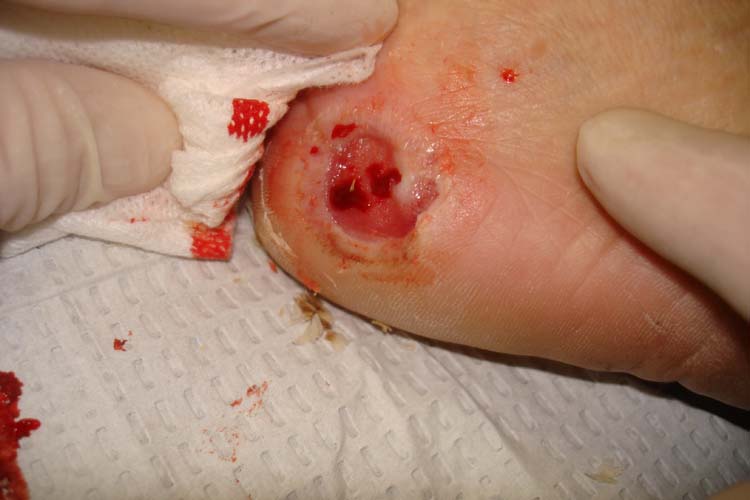
The 2015 Footcare guidelines are forward thinking, evidenced based and if implemented widely should help reduce amputations in diabetics.  The problem is that at the moment best possible practice is not happening in many areas including my own.

For instance, NICE states that diabetic patients should get information that includes: a clear explanation of their problem, pictures of diabetic foot problems, care of the other foot or leg, foot emergencies and who to contact, footwear advice, wound care, and last but not least, information about diabetes and the importance of blood sugar control. (4.2)

They need this because life expectancy for diabetics is up to 15 years shorter than for their non-diabetic counterparts and 75% of them will die of macrovascular complications. 10% of diabetics will get a foot ulcer at some point in their lives.(1.1)

For every £150 spent on total NHS expenditure £1 is spent dealing with ulcers and amputations. (1.2 2012). Diabetes is the most common cause of non-traumatic amputations and ulcers precede 80% of these. 70% of people die within 5 years of amputation.

The number of amputations for diabetics ranges 4 fold for various reasons across the UK.(1.3) With evidence for best practice available the 2015 guidelines hope to bring poorer performing areas into line.  Preventing ulcers and amputations would be very worthwhile not just for the individuals concerned but for the sheer cost of them.

To enable the best possible care NICE recommends that a diabetic foot protection and treatment service is available in the community and in hospitals. (2.3)

The team should include:

Diabetology

Podiatry

Diabetes specialist nurses

Vascular surgery

Microbiology

Orthopaedic surgery

Othotics/biomechanics

Interventional radiology

Casting

Tissue viability

NICE recommends that those with active diabetic foot problems are referred to the foot protection service and that referrals within 24 hours be made for grangrene, suspicion of Charcot’s arthropathy, ulceration with limb ischaemia, clinical concern that there is a deep seated soft tissue or bone infection, ulceration with fever or any signs of bone sepsis. (2.2)

NICE recognises that special arrangements for the housebound, those in nursing homes or in care may need to be made. (2.3)

They also warn that ankle/ brachial pressure index results may need to be interpreted carefully in diabetics because calcified arteries may falsely elevate results and so give falsely reassuring readings. (2.3)

Health care professionals should also know that there is a raised cardiac risk in those with diabetic foot problems. (4.2)

Once a diabetic foot problem is recognised clinically X rays and MRIs may be needed for further investigation. (6.1)

For mild infections antibiotics that cover gram positive organisms should be given. (6.2) This could be for instance flucloxacillin.  For severe infections both gram positive and negative organisms should be covered. This would require the addition of eg metronidazole. For severe infections they recommend that IV antibiotics are started first and the switch to oral antibiotics should be based on the clinical response. For those with bone infection the course should be for six weeks.

Charcot’s arthropathy occurs more commonly in those with neuropathy and renal failure. (7.1).  Suspect this if there is a red, warm, swollen foot with deformity, even if pain is not reported. Refer this condition urgently and keep the person off the foot. X ray first of all and if no abnormalities are seen do an MRI.

When making a decision on the frequency of follow up for patients with diabetic foot problems, take into account their overall health, how healing has progressed  or any deterioration.  (4.8). Ensure that the monitoring interval is maintained in the community or in the hospital.

I know that in Ayrshire where I practise there is no such entity as a diabetic foot protection or treatment service although the services are available separately,  and I would be interested to know how it is in your areas.  The information to diabetics is certainly not as comprehensive as NICE would like.  I can see the importance of this because of the need for urgent assessment and treatment of minor problems so that they don’t become limb threatening.

As a GP the main thing I need to do is to recognise diabetic foot problems. If the problem is mild I would treat and review promptly but for severe problems hospital admission is needed. After all most cases will require X rays, MRIs and intravenous antibiotics. There is not the seamless service for diabetics inside and outside of hospital that NICE has found makes such a difference to amputation rates.

For the best advice on caring for your feet if you have diabetes I would recommend Dr Bernstein’s Diabetes Solution. At the present time I don’t know of any good photographic sites that would provide the pictures that would help diabetics understand their foot issues. Any suggestions from our readers?

Would older men and women be better off with a bit more testosterone?

Book Review:  Testosterone is your friend by Roger Mason.

This slim volume, written by research chemist Roger Mason, reviews  evidence for testosterone replacement in both  men and women. Up until the age of 30, both genders do pretty well, but after that it is a slow trundle downhill as far as our sex hormones go. By our 50’s men produce more oestradiol than their same aged wives do, and a multitude of problems that we consider “just normal ageing” develop.

Men don’t get problems from high levels of testosterone,  but do get problems when the levels go too low.  Women do best with  mid range levels about 2.1 free testosterone. Levels of 1-3.2 are considered normal range in the UK.

Should you wish to supplement levels  sublingual or transdermal preparations work well,  but injected, implant and oral tablets do not.

Too low levels of testosterone cause obesity, diabetes, osteoporosis, heart and artery disease, cancers, memory loss and sexual dysfunction. When levels are normalised to those found in your average 30 year old for both genders, benefits include an improved all cause total mortality, increased lean muscle mass, lower cholesterol, stronger bones, lower body fat, and higher HDL.  Mood, blood sugars, energy and sense of well being all improve. Prostate enlargement and prostate cancer can be reduced by replacing testosterone in men in good time. Skin, hair and immunity all improve.  Blood pressure is improved in women if the mid range level  is achieved. Testosterone reduces seizure threshold in epileptics.

Studies are reviewed which indicate that all these assertions are valid. So why is testosterone replacement therapy lagging behind so much compared to oestrogen replacement? Indeed the only testosterone preparation licenced for women in the UK was taken off the market in the last couple of years due to being a marketing failure.

As a GP I can say that testosterone replacement for men is getting off the ground but not in the pro-active way that oestrogen is given to peri-menopausal and post meno-pausal women. Instead we wait till problematic symptoms occur eg breast enlargement in men, diabetes in men of normal weight, or sexual dysfunction occurs. Then we test. Then we refer to over subscribed clinics and the man eventually gets prescribed something suitable. It is a true case of shutting the barn door after the horse…..etc.

The main thing that put me off prescribing for men was that the fine print said that I had to do a digital rectal examination on such men every six months in order to detect possible prostatic cancer. From what Mr Mason says, it would look as if testing and treating men over the age of 40 could make a big difference not just to prostate health but for a very wide range of health problems. It should be remembered that these diseases all seem to have their own very expensive screening programmes, drug and surgical treatments in place. Perhaps a single bullet aimed at the core problem would be less expensive overall?

When it comes to women, after the menopause there is a dwindling amount of testosterone and secreted by the ovary and after a surgical removal of the ovaries or hysterectomy there is rapidly none. The adrenal glands are able to secrete some testosterone, but not enough. Collagen loss, bladder problems, wrinkles, weaker bones, loss of muscle and gaining of fat and all the rest follow on. There is increasing interest in adding testosterone into HRT prescriptions but at present women need to use preparations licenced only for men and not all GPs are therefore willing to prescribe.

In my own practice, several of us are using these preparations and checking our prescribing with blood tests done at monthly intervals till we hit the right dose. As a rough guide, men need 8 squirts of Testogel daily and women need 3. This will usually give deficient men and women adequate levels, but since this is not a developed area, follow up blood tests are needed to individualise the dose.

What about our three lovely ladies here? They are just having a natter about their new year resolution. They have been off to the  gym weight training for an entire month now and are a bit disappointed with their results. The middle one is telling the blonde that at least her bicep is coming along better than her glutes. No doubt they are hacked off that it is so much easier for their boyfriends with all that testosterone running around.   It’s so unfair!!!

Polycystic Ovary Syndrome isn’t always managed optimally

GPs by the very nature of the job are rarely specialists in any one area. To “help” them, endless and often conflicting guidelines are produced by various groups who see themselves as knowing something about how a particular condition should be managed. This time is was NICE and the Royal College of Obstetricians and Gynaecologists who have produced guidelines on how polycystic ovarian syndrome should be managed in primary care.

Dr Yvonne Jeanes, Dr Sue Reeves and Susan Bury surveyed GPs in London about their management of Polycystic Ovarian Syndrome and compared the results with recent guidelines in an article that was published in GP Magazine 24 November 2014. The survey was sent to 221 practices but only 10% of them responded. Most responding GPs had an interest in women’s health and probably knew more about the condition than the non- responders.

As many of our readers will know, polycystic ovarian syndrome sufferers usually have marked insulin resistance and impaired glucose tolerance and are at risk of developing type two diabetes. Their health can often be greatly improved by a low carbohydrate diet and weight/resistance training as described in our book.

One in 10 to 20 women are thought to have the condition.  Symptoms include menstrual irregularity, particularly scanty or absent periods, infertility, acne, hirsutism, male pattern loss of hair and obesity.  The condition worsens quality of life and depression and anxiety are common.

Both NICE and the Royal College of Obstetricians and Gynaecologists state that “lifestyle management” is the primary therapy in overweight women with PCOS because many symptoms are improved if weight can be lowered by 5-10% due to the effect on hormonal function.

Guideline recommendations:

Blood pressure and fasting blood glucose should be taken as well as waist circumference, BMI and lipids.  Result: 23-36% did these checks regularly in the affected women.

Initial oral glucose tolerance tests should be done in affected women and thereafter annual tests should be done if the woman has impaired glucose tolerance. Result: No GPs offered such a test at diagnosis, 86% did not offer such annual check but 9% offered hba1c.

All overweight women with PCOS should be provided with dietary and lifestyle advice.  Result: 91% of GPs provided advice on weight loss to reduce type 2 diabetes and cardiovascular disease.

Women with no periods or very scanty periods should have induced withdrawal bleeds at regular intervals to reduce the risk of endometrial hyperplasia. This is a build-up of the lining of the womb that can put the woman at increased risk of endometrial cancer.  In addition they recommend that after an induced bleed the endometrial thickness should be assessed by ultrasound referral. Result: 9% of GPs knew about the need to induce bleeding. A further 9% would refer to a specialist.

It seems to me that PCOS is rather a Cinderella condition. When I think of how many women have diabetes or a thyroid disorder and the number of women that actually are diagnosed with polycystic ovaries, it seems to me that the condition is significantly underdiagnosed. It would also seem that primary care isn’t the place where management protocols should be established for individual women, not only because of the lack of knowledge about how to manage the condition, but because of the variability in the presentation of the condition and the differences in the individual woman’s requirements for symptom control and family planning.

Having realised that I am one of the majority of GP’s who despite an interest in women’s health are still not up to the mark in management of this condition, I took a module on BMJ learning to see if it had any tips for me.

BMJ course authors stated that PCOS presented most commonly in adolescence and that it was more common in women on South Asian or Mediterranean extraction.

They said that anyone fitting the typical symptom profile should get hormones tested initially. FSH, LH, Prolactin, Oestrogen and Testosterone were the ones to go for. These can be done from a single sample at any time of day.  If these were abnormal, the ovaries should be scanned by ultrasound.

When the diagnosis is made based on the combination of physical, endocrine and ovarian scan findings, management and referral will depend on the woman’s reproductive goals and how confident the GP is in managing the condition.

For South Asian women they recommend an oral glucose tolerance test if the BMI is over 25 or the waist circumference is over 80cm. That’s 32 inches, yikes!

Like most official guidelines, a “healthy, balanced eating, calorie restricted” diet is recommended. Unfortunately, this usually is interpreted as “low fat/high carb” by dieticians.

It is true that any weight loss by whatever means will help an overweight woman who has PCOS, but low carbing has the extra advantages of naturally reducing blood sugars and insulin resistance, addressing all the important cardiovascular risk factors, and being somewhat easier to stick to compared to low fat diets mainly due to its palatability, satiety and not needing to count calories.

BMJ reported that a cream could be used for the effective treatment of hirsutism called Eflornithine. The contraceptive pill Dianette contains an anti-androgen that also helps this, and also gives the necessary withdrawal bleeds to prevent endometrial hyperplasia. Metformin was advocated by BMJ and slated by RCOG and NICE. I told you that guidelines are often contradictory!

My guess would be that some people respond to it and some don’t but the effect may be too small to be evident in large studies. My own view is that Metformin is a cheap, well tested drug, that’s only common side effect is diarrhea. This can be overcome with the long acting formulation in most cases. There are some caveats about renal function, vitamin b12 absorption, and use of dye in radiological procedures but these don’t affect many people.  There seems little  to lose by trying it in an insulin resistant woman who is trying to lose weight. A low carb diet and appropriate weight training/ resistance exercise would be likely to help too.

One piece of good news from long term studies is that women with PCOS do NOT apparently die of cardiovascular disease despite their extra risk factors. The cause of this is not known.

There is a support group for women with PCOS called Verity.

Your (burnt out) doctor will see you now……

There never has been some mythical golden age when every patient got the time they really needed with their General Practitioner, but seeing your GP is expected to get even harder.

Reviews by both the Centre for Workforce Intelligence and GP taskforce have concluded that the UK has too few GPs and the ones that we do have are increasingly stressed, burnt out and feel unable to deliver health care safely.

GP funding is 8.3% of the cost of the NHS in return for providing 90% of medical contacts. This percentage of funding is at an all-time low. Failure to keep pace with the aging population, complex illness, cancer survivors, the rising female workforce, the doubling of specialist doctor workforce and the tendency for GPs to prefer portfolio careers to full time General Practice all have played a part in the current workload/manpower mismatch.

Dr Veronica Wilke, professor of primary care from the University of Worcester, says, “Students and trainees who witness stressed, burnt out GPs, who feel isolated and unsupported, are unlikely to choose general practice for a career. Preventing attrition in the existing workforce is as important as recruiting new trainees. Hospitals have fewer beds, and the call is for more care in the community. GPs and primary care nurses are retiring, leaving and emigrating. Cornwall, Reading and Bristol cannot recruit enough GPs to keep practices open and training schemes remain unfilled.”

So, what can you do to prevent your GP getting sectioned into the local mental hospital or running off to Australia?

Here are my tips:

  1. Think about what you want to achieve in your consultation with your GP.
  2. You only have ten minutes, so either one big thing or two small things is realistic.
  3. Write these things down. Use the Patient Concerns Questionnaire from our book.
  4. Do you need to see a GP for any of these things? Sometimes a nurse, health visitor or health assistant would be more suitable. There are often ways for obtaining results or repeat prescriptions or immunisations that the practice has already set up.
  5. Make the appointment in the name of the person who is to be seen.
  6. Don’t ask for other family members issues to be squeezed in while you are there.
  7. If you can possibly come to the surgery instead of asking for a house call do this.
  8. If your issues can be dealt with by phone is there a way this can be sorted out by the practice?
  9. Be as well educated as you can about the illnesses you have and on keeping yourself fit and well.

Now, it’s time we heard from you.

Have you noticed any change in how your General Practice care has been affected by the manpower crisis?

Have you any other tips to help patients get efficient service from their GP team?

Any tips for these stressed GPs and practice nurses?

Based on an article by Veronica Wilkie: BMJ 2014;349:g6274

Giant fatty liver cut down to size in one week

For many years we have known that to get a good going fatty liver we should treat ourselves like the farmers who feed the geese that make pate de fois gras.  That is, eat lots of dietary carbohydrate, particularly grains and other refined stuff like sugars and starch.

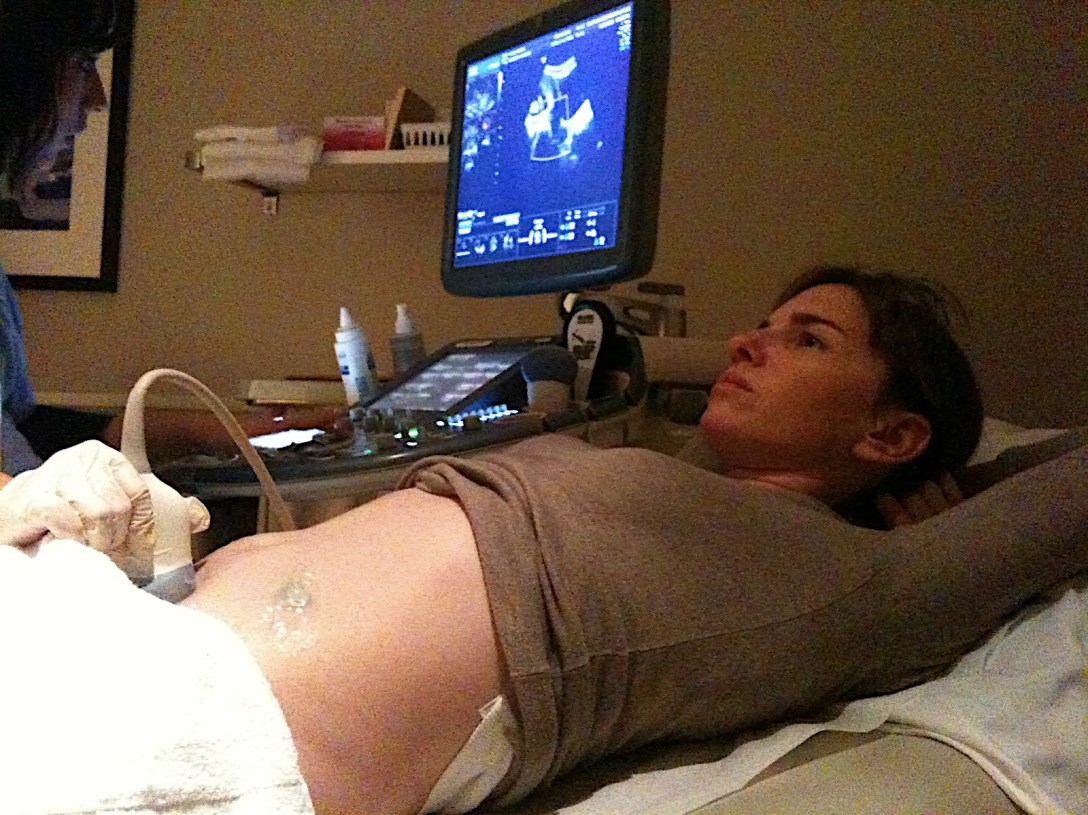
For most patients afflicted with fatty liver, the changes that come on are insidious, and are only picked up on abnormal liver function tests, particularly AST and ALT, or perhaps an ultrasound scan, that reveals the bright echo appearance that all that extra fat in the liver gives.The problem is that fatty liver can progress eventually to cirrhosis. In my practice we have already had one death from liver failure from cirrhosis brought on by non-alcoholic fatty liver disease.

One of my patients, not a diabetic, was sent home from hospital recently with a diagnosis of alcohol induced fatty liver. She was very distressed, not only because she had a massive abdominal swelling, but also because she had been labelled as an alcoholic.

She had gone into hospital with severe inflammatory bowel disease. She had been feeling so poorly that she had lost her appetite and had been drinking about 6 bottles of fizzy, sugary juice a day. At the same time, in an effort to gain control of her symptoms, she was on immune modifying drugs and a very large dose of oral steroids.  Indeed she still is. Her blood results showed no hepatocellular injury, a bit uncommon with fatty liver disease, but a huge fatty liver on ultrasound. On examination it was nearly at her pelvic bone but I was able to put my fingers below it. It was very tender but smooth with no irregularities.

I advised her that she needed to go on a very low carbohydrate diet to get the best chance of reversal of the fatty liver. She was to have no sugar, no starch and no alcohol. She was to eat freely of meat, fish, eggs,  cheese, butter, cream, olive oil, low starch vegetables and could have up to two portions of fruit a day.

She was due to return in two weeks for examination and blood testing but came back after only a week because she was finding the diet really tough going.  Surprisingly her liver had shrunk to only two finger breadths below her rib cage and the tenderness was much reduced. Her abdomen was looking almost normal.

She had been eating mainly tuna and lettuce and drinking water. Given the massive improvement, I then gave her some advice on expanding her diet, but advised that she learn carb counting, and keep the total amount to 20g or under per meal. She has a diabetic relative who has carb counting books and she was assured of family support in this regard.

What I think was happening is that the steroids were making her extremely insulin resistant and particularly prone to storing fat in the liver. Her pure sucrose diet compounded the problem and ended up in her liver. I have not yet seen such an acute and extreme case of fatty liver as this.

Fortunately I had heard of the beneficial effects of carbohydrate restriction for this condition. I am still amazed how well the diet worked in such a short time.

This woman is still at risk from fatty liver because of the ongoing steroids, but as her gut symptoms have finally settled, we hope that the dose reduction can continue.

I wonder how long it will take for hospital physicians to tell patients with fatty liver that they should stop ingesting refined carbohydrates as well as alcohol.