How to Calculate Carbs

It’s all very well embarking on a low-carb diet, but how do you work out how many carbs are in the food you eat?

Here at the Diabetes Diet we encourage people to cook for themselves as it’s the best way to eat a good diet, but home cooking comes without the handy labels you get on ready-made food complete with their nutritional breakdown.

Meat, fish, eggs, cheese, nuts and fat have few or no carbohydrates, but vegetables and seasonings and ingredients used for thickening stews and sauces do have carbs. If you made a chilli con carne, for example, there would be carbohydrates in that from the onions, tomato sauce and kidney beans.
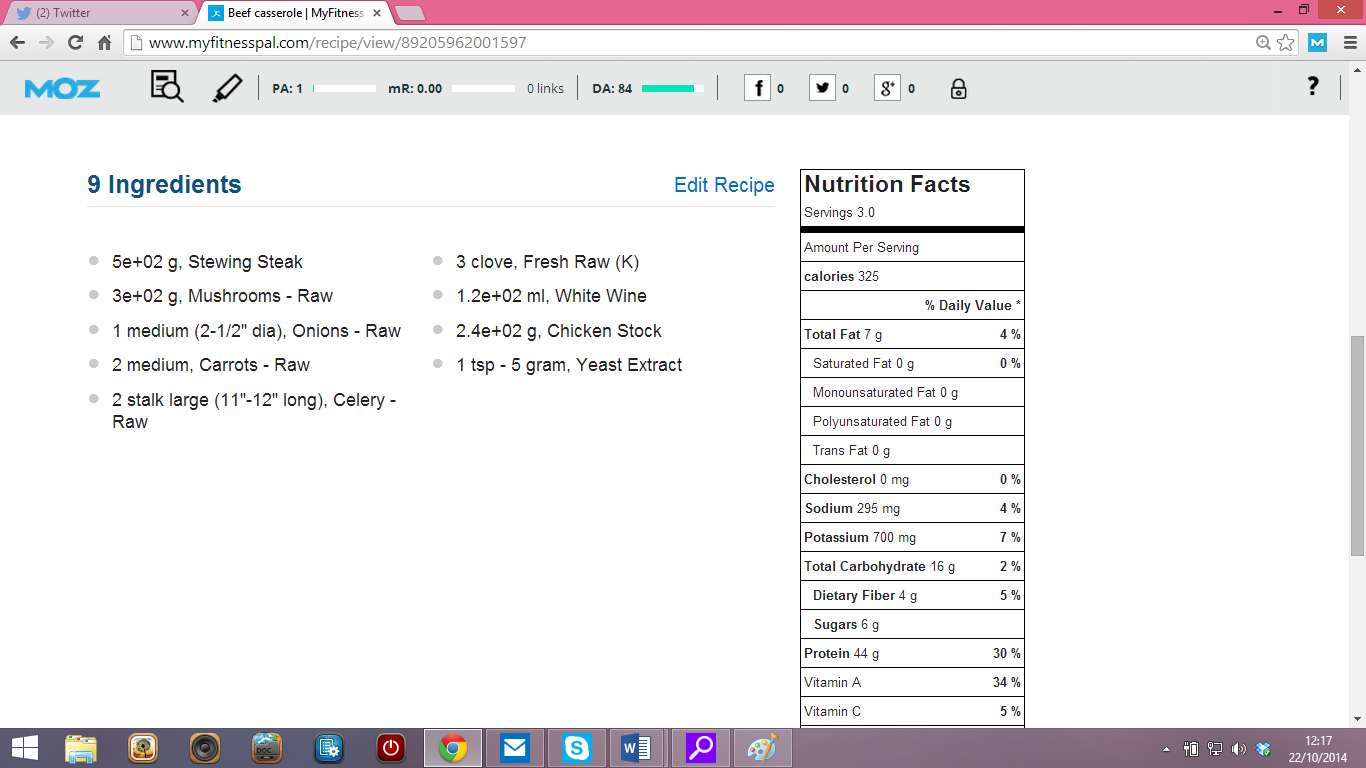
Myfitnesspal recipe calculations.
Myfitnesspal recipe calculations. Click on image to expand.

One easy way to work out carbohydrates in the dishes you make is to use a carb and calorie counting app or website. One example is myfitnesspal, where you can enter your recipes and the app will give you a nutritional break-down of what’s in your recipe – calories, carbs, protein content, fibre content and fat content.

If you don’t want to use an online tool, you can also use resources such as the Collins Gem carb counter. Bear in mind, for both ideas you’ll need to be weighing and measuring everything going into your recipe.

It does sound obvious, but many people have recipes and dishes they make where they don’t bother weighing or measuring anything simply because it is a dish they have been making for years. I prefer digital scales for their exact measurements and because you can weigh food in bowls or saucepans by setting the scale to nil.

If you have set a daily carbohydrate limit for yourself (we explore carbohydrate limits in the Diabetes Diet and what limits are suitable for different people, according to their health goals), then it is probably easiest to take that total and divide up by your meals.

In theory, if you were on a limit of 50-60g, then that equates to roughly 20g a meal, but you might want to stick to very low carbohydrate breakfasts and lunches and keep back a bit more for dinner.

And vice versa of course. You need to find a way of eating that you like, that fits in with your life and that you can keep up.


Pic thanks to Wikipedia.
Living with a Carb Addict

Y’know that perfectly sensible advice they give you when embarking on any kind of diet; the suggestion that you clear out all temptation from your house?

Willpower is finite. See, most of us associate willpower with the kinds of steel-willed folks who force themselves out of bed at five am for that brutal bootcamp class before going to work, or the kind of person who always, always says no to cake, or never drinks more than one small glass of wine.

Willpower is much, much more than that, however. You need willpower for a lot of things in life. Getting up on a cold, winter morning to go to work (instead of phoning in sick, say), or managing to keep your mouth zipped shut when your annoying work colleague begins her daily litany of woes.

These everyday things require willpower so it is no wonder it runs out quickly – and no wonder that here at the Diabetes Diet we advise you to keep your house carb-clear if possible, so you don’t have to waste willpower on battling with the bread bin.

But then, I live with a carb addict.

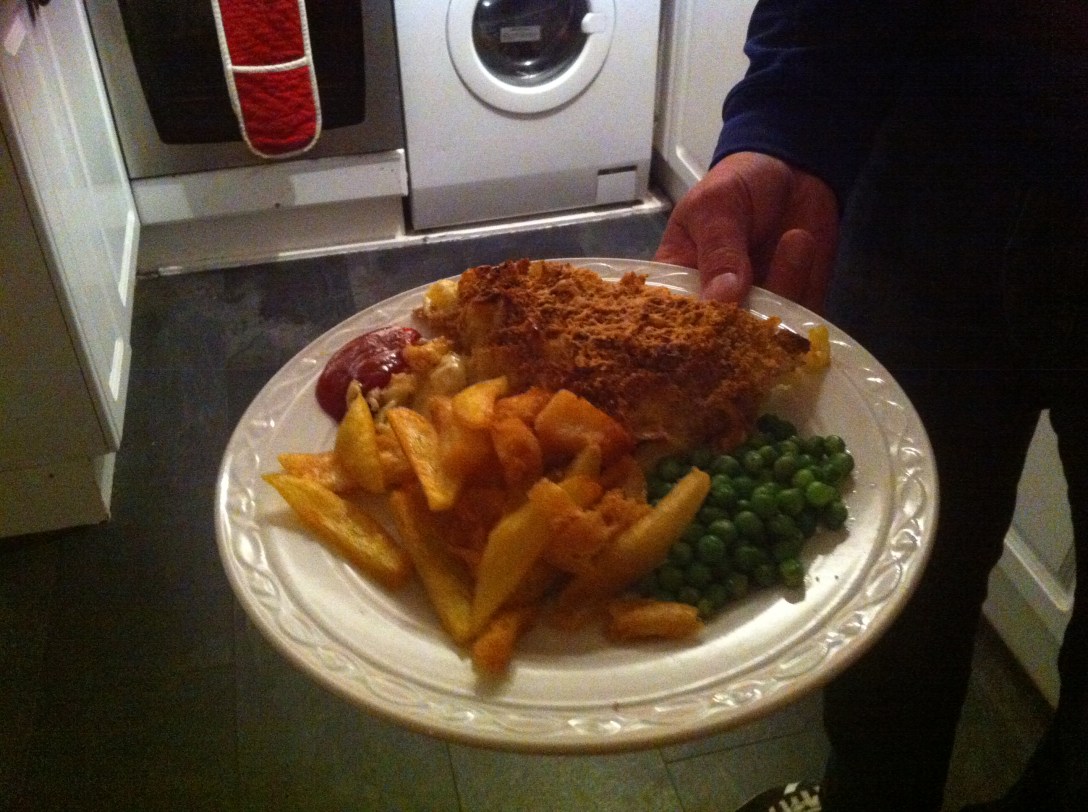
He’s a West of Scotland man. Normal practice for him is to eat lasagne with chips (eeks, I exclaim, double carbs!). In fact, he tells me, in an ideal world, it would be lasagne, chips AND garlic bread.

(And presumably a nap afterwards.)

There is no way on earth this gent is going to put up with a house that contains no bread, no potatoes and no pasta.

Bread, potatoes and pasta aren’t tempting foods to eat in themselves. Heck no, plain bread without butter? Potatoes that aren’t fried, or also adorned with the glorious goldeness that is butter? Boiled pasta and nothing else? A big bowl of steamed rice? Not so nice and not nearly as tempting and easy to over-devour as a family-size packet of crisps.

So we compromise by keeping the house free from cakes, biscuits and chocolates – and most of the time, we don’t keep crisps or sweets in it either. (And certainly nothing that comes in a purple wrapper…).

Other than that, I cope by serving up my food without the accompanying potatoes or rice, and muttering from time to time about the folly of double carbs. Diet is a personal thing, and your health your own responsibility to a certain extent.

My West of Scotland carb addict must make his own decisions!