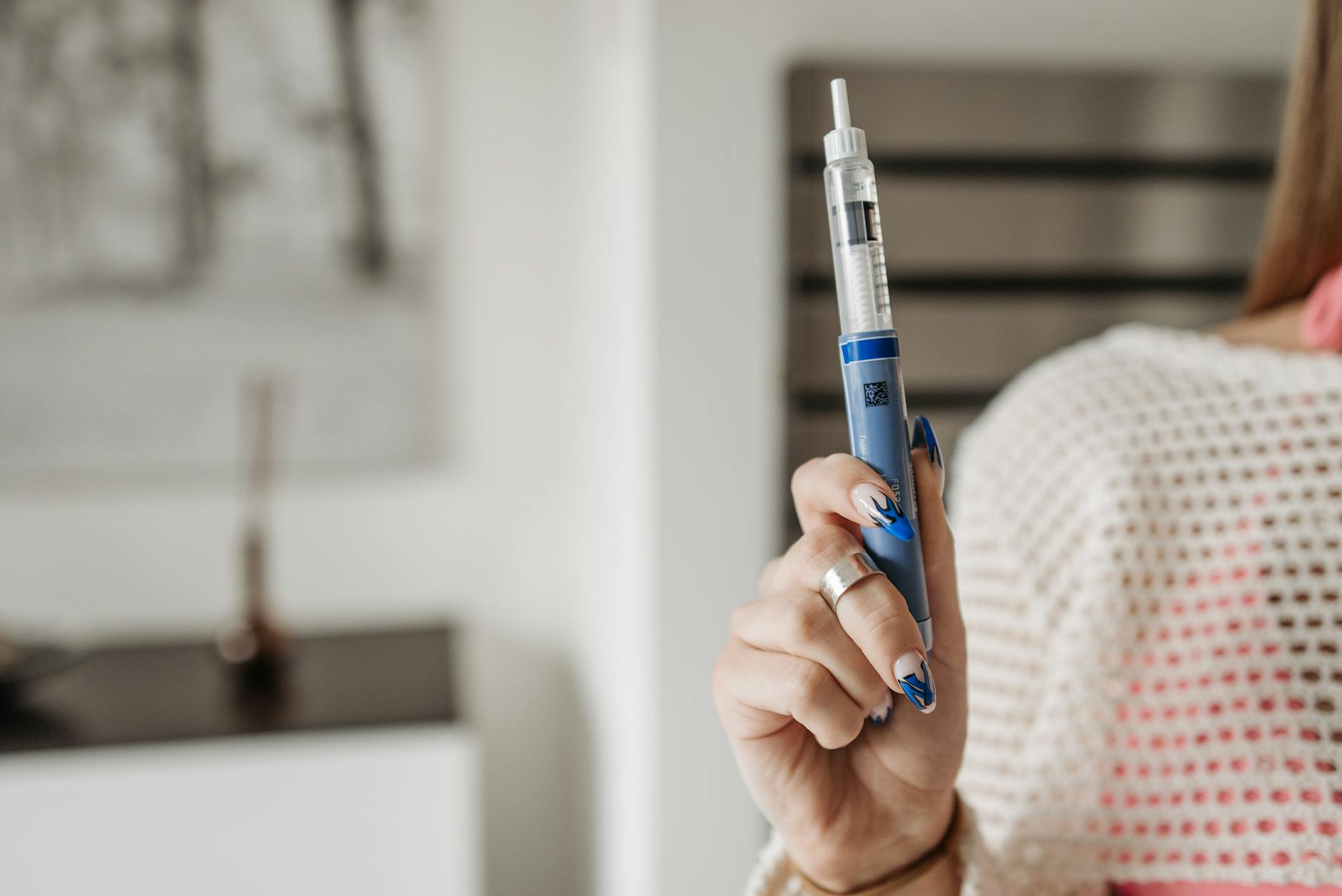
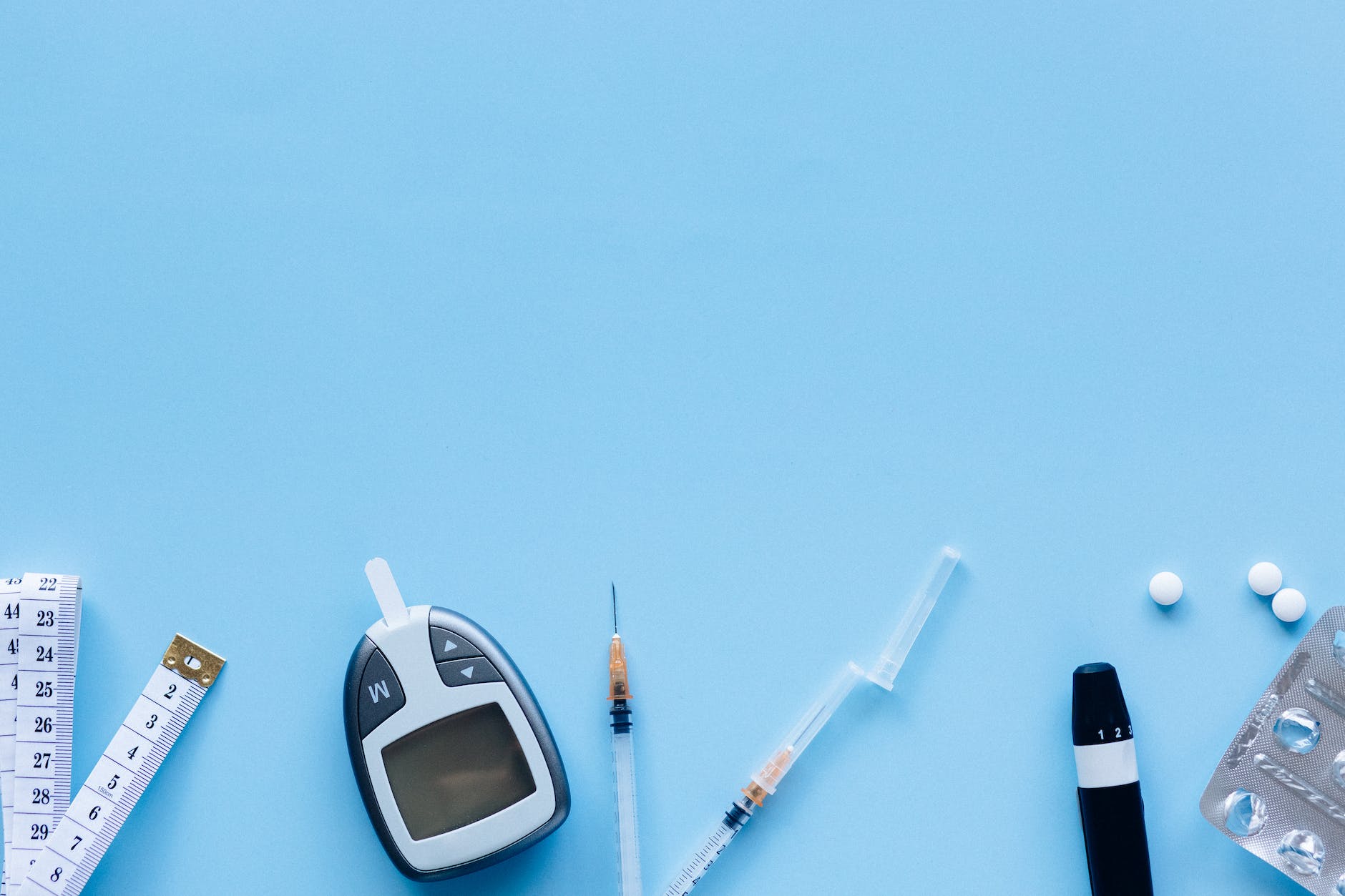
Insulin is often prescribed for type two diabetes patients who need extra help with blood sugar control. Up until now, this has been injected once or twice a day. Patients are often reluctant to start insulin, however, due to concerns about the injections, dose adjustment and worries about hypoglycaemia. Once weekly insulin may be an attractive proposition for some patients.
Once weekly insulin has already been developed and has been shown to be no worse than insulin glargine or degludec. Due to potential hypoglycaemia, weekly insulin could be a problem, especially for type one patients. Nonetheless once weekly icodec has been approved for use in adults with diabetes in the Europe and Canada but it has been rejected in the US.
In trials of type two patients, once weekly insulin, used as a basal insulin, was popular with the patients, and the rates of severe hypoglycaemia were not different from those using other types of basal insulin.
Titrating up the dose in type two patients takes about 8 to 12 weeks, because the doses must be titrated cautiously. It is thought that people who are prone to experiencing ketoacidosis due to missed insulin doses, may have a lot to gain with a weekly schedule. Those who are aiming for looser blood sugar control, those with co-morbidities, and those whose insulin needs to be administered by a care giver also may benefit.
Neither insulin icodec or efsitora, the weekly insulins, are yet licenced for use in the UK at the current time. NICE will be examining the evidence and trying to determine what the place of weekly insulin should be in the NHS.
The World Heath Organisation has declared that one in six bacterial infections are now resistant to anti-biotics.
The rate of resistance has been growing rapidly with an average annual rise of 5-15% depending on the drug combinations looked at.
The problem is worse in low and middle income countries and those with weaker healthcare systems.
Resistance is now at a third of all infections in some areas.
My comment: This is terrible news. In the UK people are getting amputations when limbs could previously been saved. Some sexually transmitted infections are also incurable. Meanwhile, it becomes more important to observe basic hygiene measures such as handwashing and good kitchen habits to reduce the transmission of infection, stay home if you are ill, and use alternatives like D:Mannose if you can for urinary tract infections. Also, don’t insist or manipulate your doctor into prescribing antibiotics for mild bacterial infections or viral infections.
Four in five women get hot flushes during the menopausal years. These can cause embarrassment, lack of sleep, low mood and problems concentrating. The main group of women who can’t take HRT to treat these vasomotor symptoms is women who have a personal or strong family history of breast cancer. Worldwide only 10% of women actually use HRT for flushes.
Fezolinetantis a new drug that reduces flush frequency, severity and sleep disturbance. It blocks neurokinin in the thermoregulatory centre of the brain.
The drug works within a week of starting treatment. So far it has been compared to placebo but not HRT. There were no side effects that required withdrawal from the trial.
This sounds like a very helpful medication for those women who cannot or don’t want to take HRT.
Other Women’s Health Updates
Women in the Nurses Health Study, who had a history of Endometriosis, Adenomyosis or Uterine Fibroids had worse total mortality ratings compared to women without these conditions. Premature death extended past the reproductive years and was measured to the age of 70. The causes included an increase in gynaecological cancers, cardiac disease, respiratory disease, other cancers and other causes. The reasons for this increase in total mortality is not clear.
It has long been recognised that non- steroidal anti-inflammatory drugs raise blood pressure. If you have high blood pressure you are advised to avoid them if possible, and if you are taking them for an acute condition, let your doctor know, as it will affect their evaluation. If you don’t mention it, you could end up on more anti-hypertensive medication than you really need.
It has long been thought that paracetamol had no effect on blood pressure. I was taught this at medical school and physicians have been advising paracetamol as the drug of choice for acute conditions in hypertension for decades.
Now a new study of 110 people shows that paracetamol actually increases the blood pressure by 5 mm Hg. This was published in Circulation.
This is not a huge amount, but could potentially affect a doctor’s decision on blood pressure medication, as they tend to have certain thresholds for the initiation or increase in medication.
Let your doctor know so they can consider this information if you are getting a blood pressure check and have been taking paracetamol.
Adapted from Journal of Forensic and Legal Medicine Feb 2023Insulin murder and the case of Colin Norris by Alan Wayne Jones University of Linkoping, Sweden.
Although insulin is an essential medicine and a life saving drug, it has been used in many poisonings. These can be accidental, suicidal or to deliberately cause harm. An insulin overdose causes severe low blood sugars, and if untreated can lead to coma, irreversible brain damage and death.
Normally, in non- diabetic individuals, the beta cells in the pancreas secrete the same amounts of insulin and C peptide into the portal venous system. In the liver, the insulin is broken down faster than the C peptide, so normally there is more C peptide in the general circulation than insulin. When there is more insulin in the system than C peptide, that is a very strong indicator that insulin from a non- pancreatic source has been administered.
Sophisticated biochemical measuring systems can identify insulin analogues. This provided part of the evidence that convicted Colin Norris, a nurse, of injecting insulin into five of his patients, four of whom died as a result.
Clinical symptoms of low blood sugars occur when the blood sugars drop below 2.5 (UK) or 45 (USA), although the exact threshold can vary between individuals. If this is prolonged for up to 6 hours or more then the brain damage can be irreversible and death can occur. The hormonal response to correct low blood sugars also prolongs the QT interval in the heart electrical pacing mechanism leading to an increase in cardiac arrhythmias and sudden death.
Proof of insulin poisoning requires positive identification of the causative agent in plasma or serum samples taken from the victim before the low blood sugar is corrected.
The first proven case of murder by insulin occurred in the mid 1950s and forensic evidence was obtained from analysing tissue samples from around injection marks on the victim’s buttocks.
During an investigation into suspicious deaths caused by insulin, the entire case scenario and totality of the evidence must be carefully considered. Tissue samples around any injection marks need to be kept for later analysis of insulin and C peptide levels.
In a Leeds hospital, in September 2002, a Mrs Hall was recovering from a hip joint operation and seemed to be making good progress. In the early hours she was found unresponsive. A bedside test showed that her blood sugar was only 1.5. Although intravenous dextrose was given, she never regained consciousness and later died. She did not have diabetes. Assays showed that the insulin level was far higher than the C peptide level indicating that pharmaceutical insulin had been injected. It was believed that she may have been mistakenly injected with insulin which was kept for patients in an unlocked fridge.
Nurse Colin Norris became the prime suspect. As part of the investigation a retrospective review of other unexpected deaths and incidents which could have been due to insulin administration were found. Four incidents had occurred in the previous year when Colin Norris was on duty. Three earlier deaths had been attributed to natural causes at the time and there was no toxicological evidence that any of them had been injected with insulin. Colin Norris maintained his innocence throughout the investigation.
In October 2005 Colin Norris was charged with murdering four patients and attempting to murder a fifth by the injection of insulin. The trial started at Newcastle Crown Court in October 2007. In March 2008 he was found guilty and was sentenced to life imprisonment. He was described by the judge as a “thoroughly evil and dangerous man…arrogant and manipulative….with a real dislike of elderly patients. There cannot be any suggestion that you were motivated to hasten their ends to spare them suffering”.
After the first appeal against Norris’s conviction failed in 2009, clinical evidence emerged that spontaneous attacks of hypoglycaemia in elderly and frail patients are not as rare as the jury had been led to believe. Indeed, a literature review showed that 2-10% of elderly frail patients, who can be malnourished, with co-morbidities such as sepsis, liver disease, or kidney failure are vulnerable to attacks of hypoglycaemia.
Other weaknesses in the case were:
The insulin vials on the ward were not subject to any inventory.
No insulin or needles were found near Mrs Hall.
The fingertip blood sample showing low blood sugar was not verified with a venous blood sample.
The very high insulin level was found on an NHS assay machine, not a more accurate forensic one. Rigour in following chain of custody procedures were not done. A confirmatory sample had also not been done.
The low blood sugar had been corrected before the low C peptide versus high insulin was found.
Spontaneous hypos can indeed occur in the elderly and frail.
Another hypoglycaemia related death had occurred at the hospital but it had not been mentioned as Norris had not been on duty. Thus the police were suspected of cherry picking cases to incriminate Norris.
Toxicological evidence of hypoglycaemia was only found for Mrs Hall. Death certificates for the other suspected hypoglycaemia deaths had been attributed to old age and other natural causes.
The cause of death of Mrs Hall was brain damage due to insulin induced hypoglycaemia but it was not known if the pathologist had looked for any insulin secreting tumours.
One of the senior police officers had been involved in the Dr Harold Shipman case two years previously and he may have been primed to find another serial killer in the health profession.
The Criminal Case Review Committee, which is the official authority in the UK charged with looking into miscarriages of justice, have examined the evidence and recommended that the court of appeal have a fresh look at the case.
My comment: It will be interesting to find out what happens and what their reasoning regarding this case will be. Meanwhile, look after yourself, look after your diabetes, keep up a healthy lifestyle and keep out of hospital!
Dr Lade Smith is the first black woman president of the Royal College of Psychiatrists. She is particularly concerned about the rise in psychosis in young people. Much of this is driven by cannabis consumption, particularly from smoking it.
Far from being a benign, relaxing, recreational drug with few downsides, cannabis use in the teens can mar their future. Because cannabis is now quite potent, even use once a week, can drive a five fold increase in psychosis in male users by the age of 25.
She is concerned that recent publicity of the plus sides of cannabis oil use has increased its use overall.
If there is a family history of mental illness, if younger teenage boys use it, if it is smoked, if there are other adverse childhood experiences, then it becomes progressively unsafe. Oestrogen in girls seems to protect them somewhat from the psychotic problems that are more common in boys.
My comment: As a Police Surgeon I was very familiar with the huge increase that I saw over the years in the incidence of psychosis and drug induced psychosis in young people over the years. The brain in these people actually shrinks in size. As they usually need a lot of life long supervision from their families and medical carers, and because they usually become economically inactive for their future lives, it is not good news for the individuals, their families and society in general.
A study published in the Journal of the Canadian Medical Association in Dec 2020, has found that type two diabetics who are on Metformin have about two thirds of the risk of having a hip or knee joint replacement compared to diabetics on other medications.
The study was undertaken by Dr Zhaohua Zhu from Zhujiang Hospital in Guangzhou in China. They compared the records of over twenty thousand patients in each group and compared the duration that they were on the diabetes medications and surgical outcomes.
As they found that Metformin use was associated with a significantly reduced risk of joint replacement, this suggests a potential therapeutic effect in patients who have osteoarthritis. They recommend that randomised controlled trials are undertaken to see if there is a beneficial effect in this group.
My comment: As Metformin has already been shown to reduce cancer incidence, is inexpensive, and reasonably well tolerated both by diabetics and non-diabetics, it would seem a good idea to me for such trials to be carried out.
Adapted from Medscape Nov 20 2022 by Miriam E Tucker a freelance journalist from Washington DC.
At last humans have caught up with mice!
Since my son was diagnosed with type one diabetes, some 28 years ago, it has been possible to reverse type one diabetes in mice. At last the huge effort to find a suitable agent to use in humans, and particularly children, has been approved by the FDA.
Thank you everyone who has contributed to this marvellous discovery. The Juvenile Diabetes Research Foundation was set up with this end point in mind and they have been successful in the development of the new drug which they helped fund. The thing is that now such an agent is available, we need to be able to find the people who would most benefit from taking the drug. Thus screening for early type one diabetes is going to become crucial.
The new drug is called Teplizumab-mzwv (Tzield, Provention Bio) and it is a anti-CD 3 monoclonal antibody. It was approved in Nov 17 21 and is the first human disease modifying therapy for impeding the prevention of type one diabetes. It delayed onset by around 2 years and longer in some subjects.
It is given by an intravenous infusion once daily for 14 days and costs around $200,000 dollars for the course of treatment.
It is licensed for children over the age of 8 years. The group it is targeting is those who are asymptomatic but who have raised blood sugar levels and at least two type one diabetes antibodies. Most of those screened are first degree relatives of type ones. The JDRF is offering a screening blood test for $55. But because 85-90% of people who do develop type one diabetes don’t have a first degree relative, screening will need to be developed further.
In Bavaria, Germany, screening of all schoolchildren for type one diabetes has been done, and the organisers said that a major benefit, was that education about the signs of diabetes occurred so that diagnosis occurred before Diabetic Ketoacidosis developed. This is known to cause deaths and wears out the pancreas much faster.
In another study 2 year olds and 6 year olds in the USA and western Europe were screened for islet autoantibodies and this detected almost all of those children who developed type one diabetes by mid adolescence.
Using a genetic risk score at birth has been suggested as more cost effective by Dr William Hagopian of the Pacific Northwest Research Institute in Seattle. 10% of newborns have HLA genes that can identify 80% of those who will get childhood type one diabetes.
My comment: I’m particularly pleased to see that the JDRF has been successful because if my son has offspring they have a one in three chance of developing type one diabetes in childhood. As time goes on, it is to be hoped that the interventions will become cheaper and more effective.
Adapted from Co-enzyme Q10 in Cardiovascular and Metabolic Diseases: Current State of the Problem, by Vladlena I Zozina et al. Current Cardiology Reviews 2018 Aug: 14(3) 164-174.
Co-enzyme Q10 (CoQ10) is an essential compound of the human body. There is growing evidence that it is tightly linked to cardiometabolic disorders. Supplementation can be useful in a variety of chronic and acute disorders. This review article discusses its role in hypertension, ischemic heart disease, myocardial infarction, heart failure, viral myocarditis, cardiomyopathies, cardiac toxicity, dyslipidaemia, obesity, type 2 diabetes mellitus, metabolic syndrome, cardiac procedures and resuscitation.
CoQ10 is made in the inner membrane of the mitochrondia. These are the little batteries which power your cells. It exists as ubiquinone which is oxidised and ubiquinol which is does not have oxygen attached. It is a key component of electron transfer in ATP production, which is how cellular energy is generated.
It is also an intercellular anti-oxidant. It also plays a role in cell growth and differentiation. There are many diseases and degenerative states associated with CoQ10 deficiency such as type 2 diabetes, atherosclerosis, hypertension, dyslipidaemia, muscular dystrophy, Alzheimer’s disease and Parkinson’s disease.
Administration of selenium and CoQ10 in a group of elderly people over 4 years resulted in significantly reduced cardiovascular mortality over the next ten years. This new review aims to sum up current possibilities in a variety of conditions with an analysis of the impact on health and quality of life.
CoQ10 is found in all organs but the highest concentrations are in the heart, kidneys, liver and muscles.
Three out of four patients with heart disease have low levels of CoQ10, particularly in ischaemic heart disease and cardiomyopathy.
In 2010 31% of all adults had hypertension. This rate is rising, particularly in low income countries.
CoQ10 has a direct effect on the lining of blood vessels, the endothelium, which dilates the blood vessels in hypertensive people and so reduces blood pressure. It also has a blood pressure lowering effect via the angiotensin effect in sodium retention and lowers aldosterone. Blood pressure can be lowered as far as normal levels with CoQ10 and has been measured as reducing systolic bp by 11 mmHg and diastolic by 7mmHg.
Giving 300mg daily of CoQ10 has been shown to reduce inflammatory markers and raise anti-oxidant enzyme activity. It is well known that a pro-inflammatory effect is a major component of chronic disease.
In 2013 cardiovascular diseases were a worldwide leading cause of death causing about a third of all deaths. A randomised study showed that in patients with myocardial infarction and hyperlipidaemia, supplementation resulted in lower blood pressure and a beneficial rise in HDL. After primary angioplasty after a heart attack, patients with higher levels of CoQ10 had better ventricular performance at 6 months follow up.
In rat studies infusion of CoQ10 results in less cardiac damage when their cardiac vessels are occluded to provoke cardiac ischaemia.
Heart failure causes less blood to be pumped out of the heart with every heart beat. This can be from a combination of structural and functional heart problems. HF is the cause of a huge amount of hospitalisation and cardiac impairment. Deaths from HF range from 10% to 50% per year. The plasma level of CoQ10 has been found to predict mortality in HF patients. Supplementation has been found to be beneficial in raising the level and decreasing mortality rates.
CoQ10 helps the heart muscle beat with more power. 100mg given three times a day to HF patients showed a reduction in cardiovascular mortality (9% v 16%), all cause mortality (10% v 18%) and number f hospital stays. Exercise tolerance was improved at the end of 2 years observation.
In those patients on the waiting list for heart transplants, CoQ10 users had a significant improvement in functional status, clinical symptoms and quality of life. Although the drugs for HF are still essential, there can be some additional benefits to CoQ10 supplementation.
Atrial Fibrillation is increasing worldwide year on year and is associated with symptoms and mortality. Supplementation has been found to reduce arrhythmias after surgery or drugs to stimulate the heart muscle after surgery.
In mice studies survival rate was higher in those given CoQ10 than those who were not when they had viral myocarditis. In humans both CoQ10 and trimetazidine have been found to be effective.
Cardiomyopathy is associated with a high mortality and poor quality of life. It is linked to increased oxidative stress. Supplementation has been found to improve both cardiac structure and function. Fatigue and breathlessness improved. These studies have been done in both adults and children.
Cardiac toxicity is an unwelcome side effect for certain cancer drugs used in chemotherapy. CoQ10 and L-carnitine together have been found to be cardio-protective.
Supplementation has been found to reduce side effects of statins in heart failure patients. This is because statins deplete CoQ10 levels.
Although low CoQ10 has been found in type 2 diabetes patients, supplementation had no effect on glycaemic control, lipid profile or blood pressure. Triglyceride levels were reduced.
In patients with metabolic syndrome had a beneficial effect on insulin levels with supplementation.
Women with polycystic ovarian syndrome had a beneficial effect on glucose metabolism, and cholesterol levels with supplementation.
Studies have been done during and after cardiac surgery and in the management of post cardiac arrest care. In one study hypothermia plus supplementation resulted in considerably improved outcomes compared with hypothermia without supplementation. The three month survival was 68% v 29%.
Supplementation studies have shown a potential role in septic and haemorrhagic shock patients.
Further research needs to be done to establish the optimal doses to give for various conditions and situations.
Levels of 100 -300mg of CoQ10 per day seem to be effective for a wide range of problems.
Adapted from Medscape 2 Sept 2022. Hypertension: Real world efficacy of beta blockers versus other anti-hypertensives by Vinod Rane BS Pharm
Patients with hypertension who were treated with ACE inhibitors, Sartans and Calcium Channel blockers such as Amlodipine and Lercanipide had a lower risk of all- cause mortality than those treated with beta blockers.
The risk of all- cause mortality was no different between beta blocker users and those using diuretics.
Cardiovascular mortality was lowest in those treated with ACE inhibitors compared to beta blockers, Sartans, calcium channel blockers and diuretics.
Adapted from Sue Hughes Medscape August 26 2022 TIME: Cardiovascular events similar with evening or morning dose of blood pressure medications.
A five year trial looking at outcomes in those who took their blood pressure medications at night or in the morning showed no difference.
Previous studies have concluded that there could be a benefit to taking anti-hypertensives at night. Dundee researchers headed by Professor Tom MacDonald looked at hard outcomes which included vascular deaths, and non-fatal heart attacks and strokes.
They found “not a smidge of difference” between the two groups.
The study also showed that falls, fractures, or dizzy spells were no more common between the groups. The main thing he said was to take the medications every day at the same time and pick the time that suits you best.
The group tested had an average age of 65, 14% had diabetes,4% smoked,13% had prior CVD and the mean blood pressure at entry was 135/79. The patients were recruited from both primary and secondary care. The duration of follow up was between 5 and 9 years.
My comments: I am aware of the controversies regarding day and night time anti-hypertensives. Some doctors think that blood pressure control is better if drugs are taken at night and some think compliance is better if they are taken in the morning. I take my medication twice a day by splitting the dosage. That way I get good 24 hour coverage and if I forget a dose there is another one coming along in 12 hours or so.






 Diabetes Diet