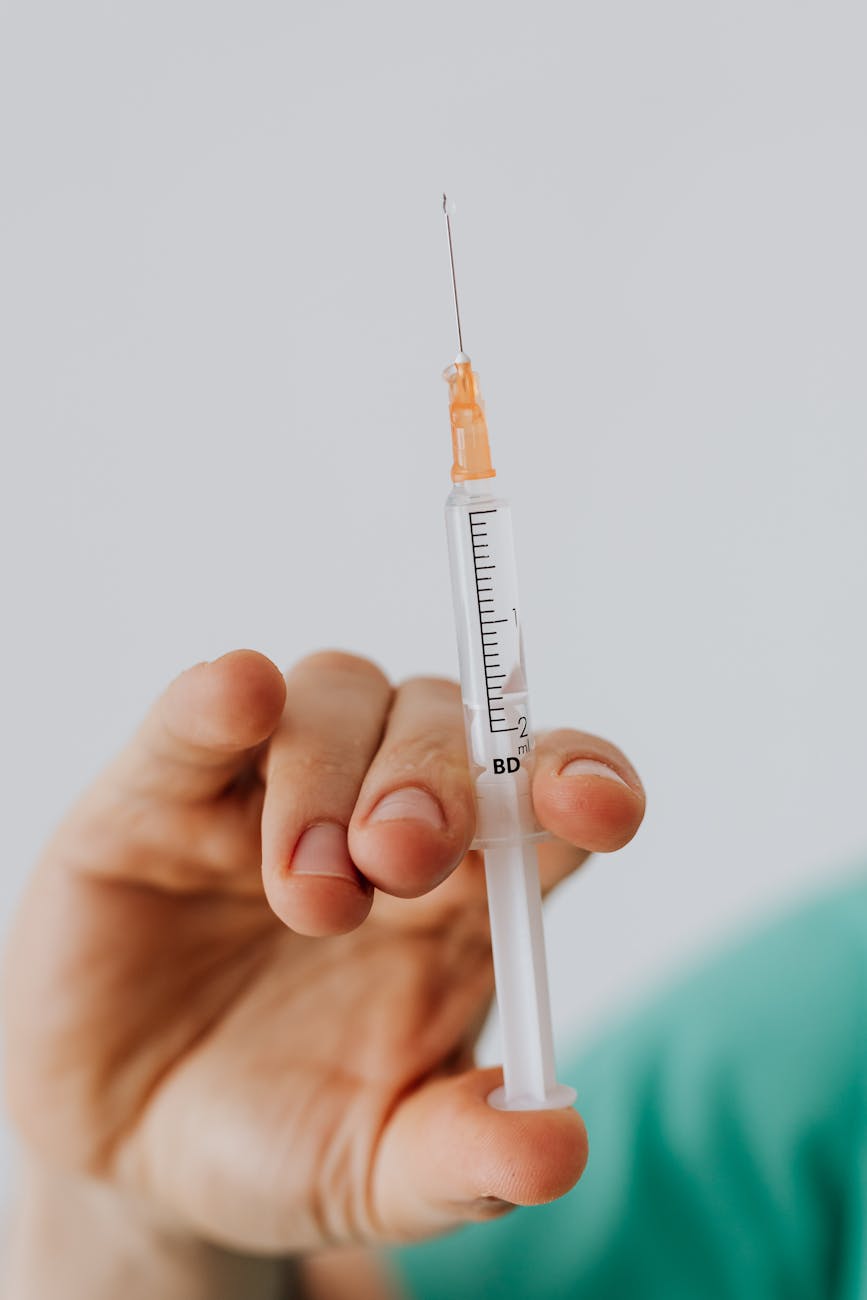
New UTI antibiotic is available

Photo by Andrea Piacquadio on Pexels.com

Adapted from BMJ 13 September 2025

Gepotidacin is the first new antibiotic to be approved in the UK in 30 years.

It has a mechanism that makes it more difficult than usual for bacteria to develop resistance to it.

It is approved for females over the age of 12 and over the weight of 40 kg.

Its use will only be for uncomplicated urinary tract infections.

My comment: Urinary infections are indeed a misery. I’m delighted that another antibiotic has been found. Remember that D:Mannose can also be very effective for the prevention and treatment of UTIs.


Exercise can reduce weight but only if you do a lot

Photo by Annushka Ahuja on Pexels.com

Adapted from BMJ 22 Feb 2025

We are often told that diet is the key to fat loss and that exercise doesn’t play much of a part in this.

However, a meta-analysis of 116 clinical studies shows that notable improvements in waist circumference and other measures of body fat only occurred when moderate or high intensity aerobic exercise was done for more than 150 minutes per week.

A reduction on one kilogram in body weight is roughly equivalent to a deficit of 8,000 calories. This is a lot more difficult to burn off than most people realise.

My comment: I easily meet the 150 minutes or more of exercise a week but this is mixed exercise and comprises of low impact aerobics, resistance training, stretching, and balance and co-ordination exercise. I’ll need to stick to diet myself.

Respiratory Syncytial Virus Vaccine and effects of infection

Photo by Polina Tankilevitch on Pexels.com

Adapted from BMJ 9 August 2025

Respiratory syncytial virus (RSV) is the most common cause of acute lower respiratory tract illness in infants. Two years ago, and international trial demonstrated that vaccinating pregnant women against RSV reduced the number of newborns admitted to hospital with lung infections.

A UK study has now confirmed the benefits. There was a 72 percent reduction in babies hospitalised due to the virus compared to babies whose mothers had not had the vaccine.

In another study of adults from New York, getting RSV badly enough to require admission, led to an increase in acute cardiac events. More than a third of the patients ended up having heart failure, atrial fibrillation, and myocardial infarction after RSV infection. Most events happened within the month following admission. Half of the events occurred in patients with no prior history of cardiac problems.

Get the shingles vaccine if you are eligible

Photo by Karola G on Pexels.com

Adapted from BMJ 9 August 2025

Vaccination against herpes zoster is very effective in preventing shingles and post herpetic neuralgia in older people.

In Korea, examination of results after vaccination also indicate that major cardiac events reduced by one third. The protective effect lasted eight years after vaccination.

In the UK, the vaccine has been rolled out over the last ten years or so, and people are called depending on their date of birth. If you get invited, it is well worth getting the vaccine.

Other research has shown that the vaccine prevents shingles entirely only for the first year after vaccination and after that shingles becomes increasingly common again till almost all immunity is lost at the ten year point. However, there is still a reduced rate of post herpetic neuralgia in those who have been vaccinated.

Booster doses of the vaccine have been shown to reactivate vaccination effectiveness but so far this is not being done routinely in the UK.