Medscape: Next generation insulins

Adapted from Medscape interview with Ulrik Pedersen-Bjergaard MD

Dr Pedersen-Bjergaard is based in Denmark.

Once weekly insulins are under development and are at the pre-clinical study level. These are expected to be a lot more convenient. Novonordisk’s is at the most advanced stage. They are basal insulins that cause no change in the HbA1Cs or body weight when used in type two diabetics. (Who still produce some insulin in their pancreatic beta cells). The new insulin called Icodec has been trialled against Glargine / Lantus and it is equally safe.

Blue tooth technology has been developed that will tell you how many units of insulin you injected and when you injected it, via an integrated pen unit. The unit will have automated titration recommendations via your blood sugar meter. This will give improved glucose readings and HbA1Cs.

Ultra rapid insulins are being developed. These reduce the one and two hour blood sugar spikes after meals but have not been optimised for pump use yet.

Insulin Degludec shows reduced hypos compared to Glargine/Lantus in type ones.
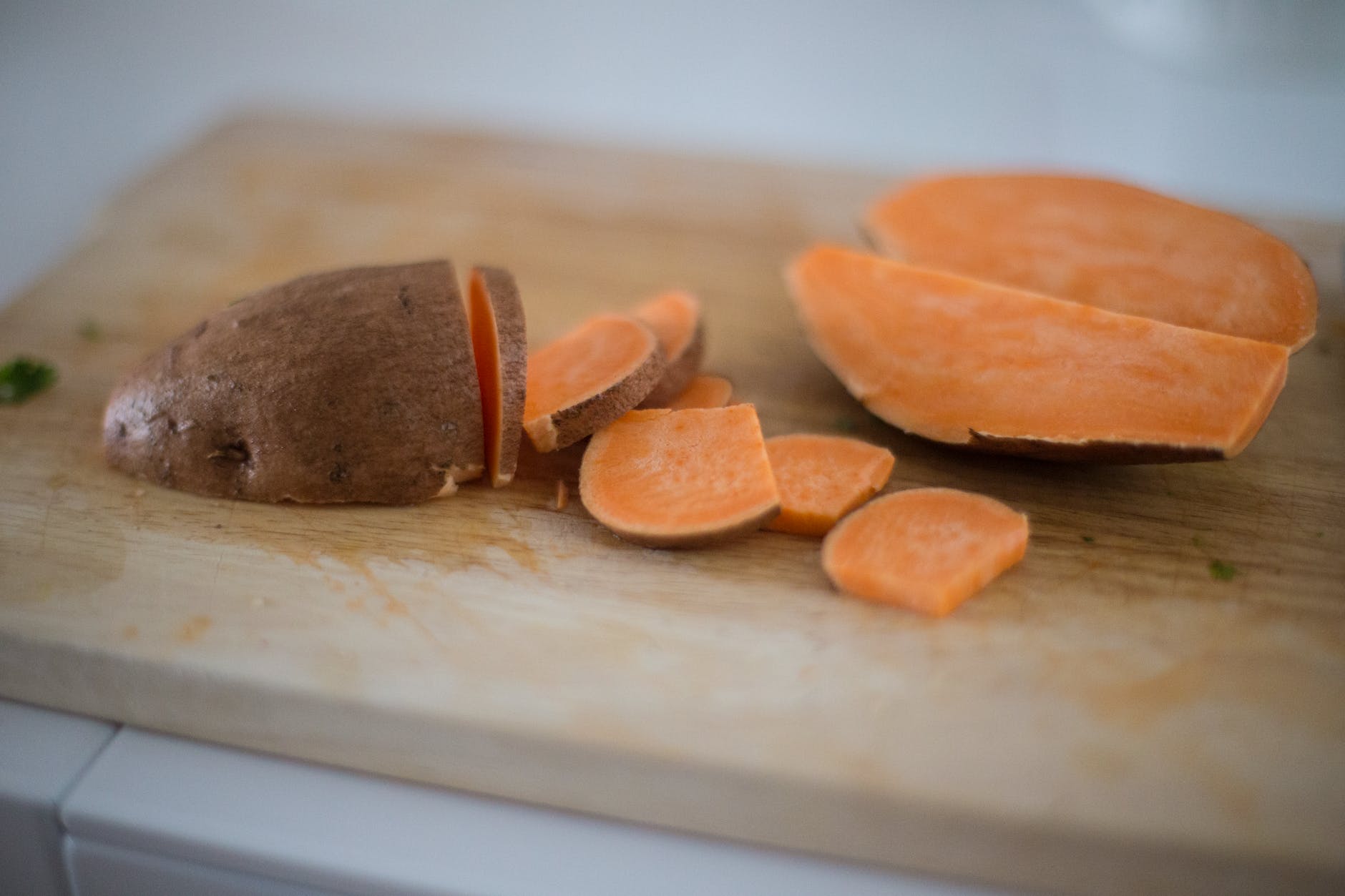
Jovina cooks: Sea bass, stuffed tomatoes and sweet potato cakes.

To assemble the meal you will need to start with the sweet potato cakes.

olive oil cooking spray

one large egg

half teaspoon salt

1/4 teaspoon black pepper

1 teaspoon honey

some fresh or dried thyme

1/4 cup minced spring onions

1/4 cup or 1oz of almond flour

2 sweet potatoes

Microwave your sweet potatoes for approximately 7 minutes (depends on your oven and size of potatoes)

Pre-heat your oven to 400 degrees F.

Line a rimmed baking sheet with parchment paper or a silicone sheet and spray with oil.

In a medium bowl whisk the egg, salt, pepper, honey, spring onions and thyme.

Add the ground almonds and cooked and mashed sweet potato.

Mix well.

Form six patties and flatten on the baking sheet with your hand or a rolling pin or spatula.

spray with oil and bake for 15 minutes.

Then turn, spray with oil again and bake for another 10 minutes.

Now make your Sweetcorn Creamy Stuffed Tomatoes.

4 medium sized tomatoes

2 cups of sweetcorn either tinned or cut from 4 fresh ears.

4 tablespoons mayonnaise

3 tablespoons minced spring onions

salt and black pepper

1 cup grated cheddar cheese

1 tablespoon fresh parsley

pre-heat oven to 400 F

cut the top off the tomatoes, remove the seeds and pulp with a spoon.

turn upside down and dry on kitchen towel

Combine the corn with the remaining ingredients

Fill the tomatoes with the mixture and bake for 15-20 minutes till the cheese bubbles.

Now make the Sea Bass with Caper Sauce

one pound of sea bass cut into smaller portions

salt and pepper to taste

caper sauce

3 tablespoons lime juice

3 tablespoons avocado oil

2 teaspoons red wine vinegar

one spring onion minced

1 tablespoon of capers drained and chopped

1 de-seeded jalepeno pepper minced

one glove garlic

mix all of these sauce ingredients together.

fry the fish fillets for two minutes each side.

Then add the sauce ingredients and turn the heat down for 5 minutes

Serve immediately.

The fish is the most time critical of the components of this meal.

Enjoy.

Over 40s can benefit from red light therapy

Adapted from Shinhmar H et al. J Gerontol A Biol Sci Med Sci 29 Jun 2020

It sounds like a hoax, but staring at a deep red light for three minutes a day has been found by researchers to significantly improve declining eyesight in people aged over 40.

This is the first study of its kind in humans and it was conducted in the UK.

At around the age of 40, human retinal cells start degenerate increasingly rapidly and this causes visual deterioration.

It had already been discovered that retinal photoreceptors in animals improved if they were exposed to 670 nm deep red light.

For the study 24 people aged between 28 and 72 with no retinal disease were recruited. The gender balance was equal. The function of their rods and cones on the retina were tested. Then they were given a special pen torch which emitted the deep red light and they were told to use this for three minutes a day for two weeks.

The light had no effect in the under 40s but after this colour sensitivity improved by up to 20 per cent, particularly in the blue parts of the spectrum, which is particularly affected by ageing. Rod sensitivity also improves. This helps people to see in low levels of light.

Lead author Professor Glen Jeffrey said,” Our study shows that it is possible to significantly improve vision that has declined in aged individuals using simple brief exposures to light wavelengths that recharge the energy system that has declined in the retina cells, rather like re-charging a battery.”

My comment: I am very shortsighted and as a result of my eye shape I have very poor night vision. If these little torches were made available I would definitely use one.

Whole almond consumption is associated with improved dietary quality

Adapted from Dikariyanto V et al. Whole almond consumption is associated with better dietary quality and cardiovascular disease risk factors in the UK adult population. National Diet and Nutrition Survey 2008-2017. Eur J Nutr. 2020 May 16.

Almonds are known to be a highly nutritious food, but they must be imported and they are expensive. They require sunshine, water and pollination by bees. The UK imports them from California and Spain. Almond consumption is low in the UK.

As in all observational studies, association does not mean causation. People who eat a lot of almonds, like me, are probably more health conscious, may be avoiding wheat and other grains, may be on a low carb diet, and may be more affluent and may also be doing more exercise.

The researchers looked at 6802 people who completed at least three days of a four day food diary between 2008 and 2017.

7.1 % of the population reported eating almonds with an average consumption of five grams a day (a very small amount). This group reported eating higher intakes of protein, total and unsaturated fats, fibre and micronutrients including vitamin E, thiamine, riboflavin, folate, pantothenic acid, biotin, vitamin C, potassium, magnesium, phosphorus, iron, copper and zinc, manganese and selenium. They also had lower intakes of trans fats, total carbohydrate, sugar and sodium than non consumers.

Almond consumers had a slightly lower body mass index and waist circumference compared to non consumers. There was no blood pressure differences.

The actual differences were BMIs of 25.5 versus 26.3 and waist sizes of 88.0 cm versus 90.1.

The authors concluded that, “Encouraging snacking on nuts, including almonds, to replace snack foods high in saturated fatty acids, refined sugars and free sugars may contribute to the sum effect of a healthy dietary pattern on reduced risk of cardiovascular diseases”.

I eat a lot more than 5mg of almonds a day, usually in the form of low carb baking. We have lots of almond based recipes on this site. If you like eating the nuts, go ahead. They are often conveniently packed in small bags and are very handy if you are travelling. Bear in mind that they do tend to get stuck between your teeth so bring some dental tape with you too.

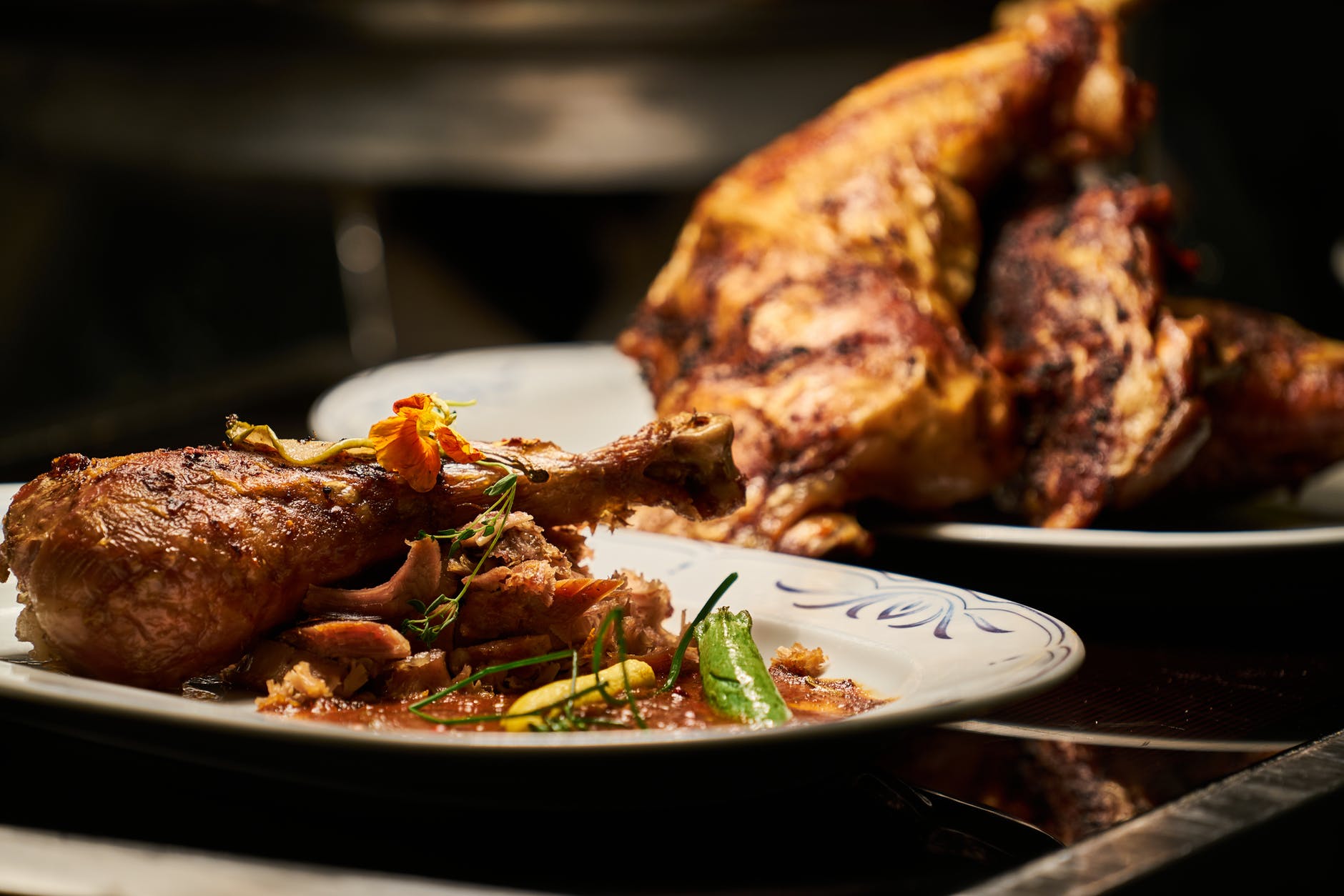
Low carb kitchen: Spiced yoghurt chicken

INGREDIENTS

4 chicken legs, skin on
1 tbsp olive oil
5 tbsp natural yoghurt

For the marinade:

1 tbsp fresh ginger (peeled and minced)
5 garlic cloves, peeled and crushed
1 fresh chilli, deseeded and chopped (optional)
1 tsp garam masala
1 tsp hot chilli powder
½ tsp ground cumin
½ tsp turmeric
½ tsp paprika
½ tsp sea salt

CREATE IT

1. Preheat oven to 180°C and use the olive oil to grease a baking sheet. 
2. In a large bowl combine all the ingredients for the marinade and stir in the yoghurt.
3. Coat each chicken leg evenly with the yoghurt mixture ensuring to cover the top and underneath.
4. Place the chicken on a plate in the fridge and marinade for a minimum of 30 minutes.
5. Add the chicken to the prepared baking sheet and place in the centre of the preheated oven for 50 minutes.
6. Sprinkle with fresh coriander (optional) before serving. 
7. Great with roasted cauliflower or wilted spinach.