
Using a ketogenic diet to treat binge eating and food addiction

Adapted from : Treating binge eating and food addiction symptoms with low-carbohydrate
Ketogenic diets: a case series

Matthew Carmen1 , Debra Lynn Safer2, Laura R. Saslow1, Tro Kalayjian3 , Ashley E. Mason4 , Eric C. Westman5 and Shebani Sethi Dalai2*

Many patients with obesity and comorbid binge eating symptoms present with the desire to lose weight. Although some studies suggest that dietary restriction can exacerbate binge eating, others show dietary restriction is associated with significant reductions in binge eating. The effect of a particular type of dieting on binge eating, the ketogenic diet (a high fat, moderate protein, very low carbohydrate diet), is not known.


We report on the feasibility of a low-carbohydrate ketogenic diet initiated by three patients
(age 54, 34, and 63) with obesity (average BMI 43.5 kg/m2 ) with comorbid binge eating and food addiction symptoms.

All patients tolerated following the ketogenic diet (macronutrient proportion 10% carbohydrate, 30% protein, and 60% fat; at least 5040 kJ) for the prescribed period (e.g., 6–7 months) and none reported any major adverse effects.

Patients reported significant reductions in binge eating episodes and food addiction symptoms including cravings and lack of control as measured by the Binge-Eating Scale, Yale Food Addiction Scale, or YaleBrown Obsessive-Compulsive Scale modified for Binge Eating, depending on the case.

Additionally, the patients lost a range of 10–24% of their body weight. Participants reported maintenance of treatment gains (with respect to weight, binge eating, and food addiction symptoms) to date of up to 9–17 months after initiation and continued adherence to diet.


This is the first report to demonstrate the feasibility of prescribing a ketogenic diet for patients with obesity who report binge eating and food addiction symptoms. Further research should seek to reproduce the observed effects in controlled trials as well as to explore potential etiologies.


Natural and Low Carb Kitchen: Easy lemon pots

INGREDIENTS

2 tbsp extra thick double cream
2 tbsp mascarpone
2 tbsp inulin or other sweetener
Juice of 1 lemon
Pinch of sea salt

Method

1. Put the cream and mascarpone into a bowl – whisk a little to thicken to desired consistency.
2. Stir in the lemon juice.
3. Add the salt and inulin, and gently combine.
4. Divide into two glass ramekins, top with a little lemon peel to decorate and place in the fridge until ready to eat.

Diabetes complications start at pre-diabetes blood sugar levels

Adapted from Steve Freed’s article in Diabetes in Control Spring 2020

Elevated blood glucose levels indicative of prediabetes appear to be associated with increased risks for retinopathy, peripheral neuropathy, and also diabetic nephropathy, according to Emanuelsson et al. (p.894).

As a result, they suggest that screening for micro- and macrovascular complications should be recommended for individuals with raised blood glucose or prediabetes.

In total, about 820,000 individuals were considered in the analysis. The authors found that, on an observational level, increasing glucose levels were associated with higher risks for both micro and macrovascular complications. Validation in the cohorts further confirmed the associations with retinopathy, neuropathy, nephropathy, and myocardial infarction but not peripheral arterial disease or kidney disease. This risk is present at glucose levels within what is currently considered the normal or prediabetic range.  

The American Diabetes Association recommends screening for prediabetes in adults with obesity or overweight and with risk factors for diabetes. However, this screening does not include examinations for microvascular complications.

Screening for retinopathy, neuropathy, diabetic nephropathy and additional risk factors such as obesity, hyperlipidemia, and hypertension might be indicated in individuals with prediabetes. 

The finding of a stepwise increase in the risk of vascular disease with increasing glucose levels within the normoglycemic range or higher support the idea that an elevated glucose level has a causal role in the pathogenesis of the microvascular disease, as do levels below the diabetes cut off. This is in line with the general understanding of the natural history of type 2 diabetes as a continuous process of declining β-cell function and increasing relative insulin deficiency, leading to a continuous increase in glucose that is initiated years before the diabetes threshold is reached.

Randomized controlled trials have shown that lifestyle changes and treatment with glucose-lowering drugs can reduce the progression from prediabetes to diabetes.

Recent 30-year follow-up data from a study of 577 Chinese individuals showed that lifestyle interventions in individuals with prediabetes reduce long-term risks of diabetes, a composite of microvascular complications, cardiovascular disease, cardiovascular mortality, and all-cause mortality.

The effects of lifestyle intervention are not likely to be due to glucose-lowering alone but to several beneficial metabolic effects. The findings highlight the importance of early detection of glycemia and screening for prediabetes in asymptomatic individuals through the use of risk assessment tools—such as the one currently provided by the American Diabetes Association  

(www.diabetes.org/are-you-at-risk/diabetes-risk-test/)  

  • Having blood glucose in the prediabetes range considered normal has shown to begin the complications of diabetes much earlier than thought. 
  • We need to be more proactive at the first signs of prediabetes. That means any fasting glucose reading above 100mg (5.5 mmol/l) or a random reading of above 139mg/dL(7.8 mmol/l). 
  • These findings suggest that elevated glucose levels should be identified as an essential risk factor for micro- and macrovascular disease in the general population and that screening for microvascular disease may be recommended, along with screening for additional cardiovascular risk factors, in individuals with prediabetes. 
  • Maybe it is time to just call prediabetes, diabetes, which would provide for much earlier treatment. 

Reference for “Prediabetes Equals Diabetes”:

Diabetes Care 2020 Apr; 43(4): 894-902.https://doi.org/10.2337/dc19-1850 

UK study shows you can cut BP on a low carb diet by 10 units

Photo by cottonbro on Pexels.com

Adapted from Substantial and sustained improvements in blood pressure, weight, and lipid profiles from a carbohydrate restricted diet: an observational study of insulin resistant patients in primary care. David J Unwin. Simon D Tobin et al. Int J Environ Res Public Health 2019 Jul 26;16(15);2680

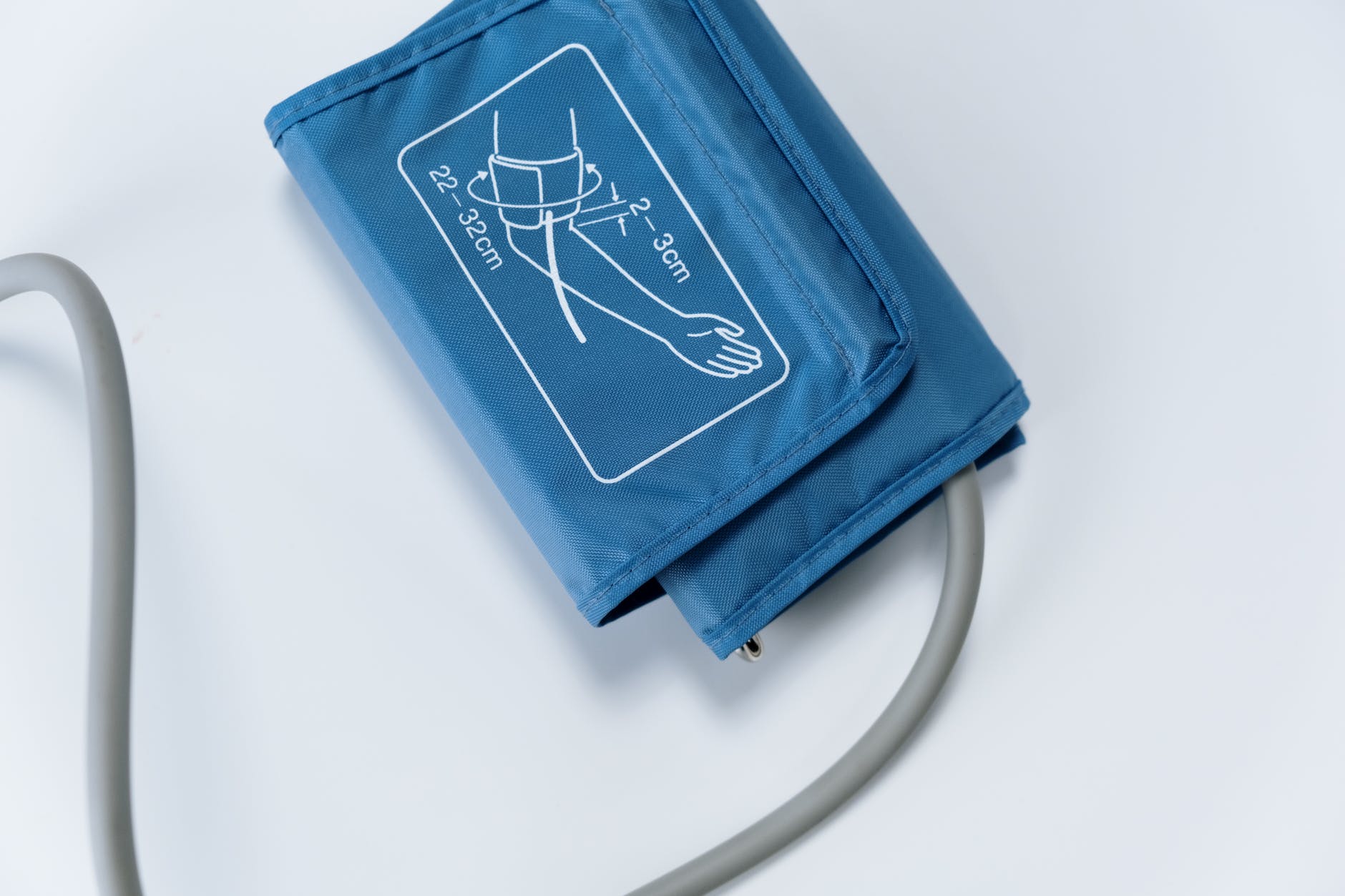
Hypertension is the second biggest known global risk factor for disease after poor diet. Perhaps lifestyle interventions are underutilised? This study was undertaken in 154 patients with type two diabetes or impaired glucose tolerance in a general practice. This was an observational study that lasted an average of two years.

The average systolic blood pressure reduction was 10.9 mmHg. The mean diastolic reduction was 6.3 mmHg and the mean weight loss was 9.5 Kg. Lipid profiles were markedly improved. Medication was meanwhile reduced by an average of 20%.

Talk about “Time in Range”

Freestyle Libre

Adapted from Miriam E. Tucker Medscape 3 Nov 2020

The Freestyle Libre is now the most popular continuous blood sugar monitoring device used in the UK. Clinicians want both patients and doctors to move away from simple discussions about the HbA1C and embrace the next best metric to determine potential complication rate which is TIME IN RANGE.

Dr Emma Wilmot of the Royal Derby Hospital wrote about this new guidance in Time in Range: a best practice guide for UK diabetes healthcare professionals in the context of the COVID-19 global pandemic published Oct 19 2020.

The paper reviews and provides the rationale for international guidelines which recommend that more than 70% of a persons glucose readings should fall between 3.9 and 10 mmol/L with modifications for children, older adults and pregnant women.

Freestyle Libre users have been found to experience significant improvements in their HbA1c, have fewer hospital admissions, and lower levels of diabetes related distress in patients with type one diabetes.

They suggest that discussion about the information retrieved from the Freestyle Libre can be particularly useful now that face to face consulting at clinics has largely been replaced by telephone and video calls. Both the Freestyle Libre and the Clarity for Dexcom provide time in range and HbA1C estimates.

One UK doctor, Professor Choudhary has seen none of his 1300 patients who use the Freestyle Libre at his clinic since March and has found the device indispensible. He says, ” It is important for doctors and patients to be speaking the same language. Otherwise consultations are ineffective. Time in range is the new language”.

DTN’s education page has videos about the devices that monitor time in range and more will be posted in the next few months.