A Finnish study followed up patients who had been diagnosed with appendicitis over ten years. Some had been given immediate surgery, and some had been given antibiotics.
If appendicitis is complicated, such as the infection is thought to have spread to the peritoneum, then surgery is necessary, but if the infection is thought to be localised, then antibiotics may be given as an alternative to immediate surgery.
257 patients were given antibiotics. Of these all but four of them were able to be followed up for ten years. 44.3% of the antibiotic group eventually had surgery to remove their appendix over this ten year period. The remaining 55.7% kept their appendix.
Complications were fewer in the group given immediate appendicectomy but there was no difference in quality of life between the two groups.
I’m not sure whether you would be given the choice over what treatment you get in the NHS, but given the choice, what would you opt for?
Adapted from BMJ 7-14 Feb 2026 Professor Paul Behrens, University of Oxford.
A government requested study, Global Biodiversity Loss, Ecosystem Collapse, and National Security, makes for grim reading. There is an impeding and serious threat to UK food security, economic stability, and national security.
Britain relies on imports of both food and fertiliser. 40% of our food is imported. A quarter of this comes from the Mediterranean, which is experiencing climate stress and ecosystem loss. 60% of our fertiliser is imported, so is dependent on overseas production.
The UK has very little in the way of food or fertiliser buffers. There is a food stockpile, but it will only last 9 months.
Sweden, Norway and Germany are all rebuilding stocks, for the first time since the cold war. It would be sensible to join them.
Brazil supplies 54% of soybean imports. This is mainly used to feed livestock. But the Amazon is approaching an irreversible tipping point. It is likely to shift to savannah. This would be catastrophic for the whole world.
We can expect rising food prices. Estimates from 2023 indicate that a third of food price rise was related to climate change.
To counteract this we need to do four things:
We need to eat more plants. We need to eat less meat. Presently 85% of agricultural land is used to rear livestock. This change would free up land.
We need to move rapidly towards domestic food production. This means supporting farmers to produce more fruit and vegetables. This would need investing in agricultural research as farmers in the UK would also have to adapt to climate change.
The UK government needs to give more money to international climate finance to protect critical food producing ecosystems. Unfortunately this has been progressively cut rather than increased.
The public need to become aware of the problem and be advised how to prepare for hard times in the future. Sweden and Finland are already doing this. Food access and nutritional inequalities need to be addressed.
It is a strange relief to finally have the UK’s national security apparatus onboard: ecosystem collapse is a national security threat. Do we sit on our hands now and wait till prices spike and meat becomes unaffordable? Do we act now?
The choice belongs to policy makers and the pressure that civil society can bring to bear on them. The consequences will be felt by everyone across the UK.
Adapted from BMJ 7-14 February 2026 Professor Charlotte Blease, Uppsala University, Sweden.
Patients are increasingly disclosing information to artificial intelligence tools (AI) and seeking health advice from them. Large language models such as ChatGTP, Claude and Deep Seek, are being used by millions of people to describe symptoms, seek second opinions, or explore stigmatised topics. Yet many clinicians continue to believe that they bring special empathy to the consultation and that sensitive disclosures to them are irreplaceable by technology.
Even in the 1960s, patients spoke more candidly to non-human interfaces than to clinicians. When it comes to alcohol and tobacco use, suicidal ideation, intimate partner violence, sexual behaviour, and workplace stress, paper based or online questionnaires elicit more information than in-person consultations.
In Denmark, 20% of primary care consultations are conducted by digital messaging. Patients say that they prefer to broach embarrassing topics in writing. As the perceived risk of judgment reduces, disclosure increases.
Unlike humans, digital systems can’t signal disapproval through tone, posture or facial expression. They can’t raise an eyebrow, sigh or signal boredom. They don’t hold any social power over the person confiding in them. For patients who fear being dismissed, blamed or embarrassed, such as adolescents exploring their sexuality, adults hiding alcohol dependence, or older patients reluctant to discuss continence or cognitive decline, digital interfaces feel safer than clinicians.
AI tools can even respond conversationally, offering reassurance, suggestions, or next steps. A recent comparative study across 149 simulated primary care cases revealed that an AI clinical interviewer was felt to be more polite, more attentive, clearer in explanation and better at shared decision making than doctors.
The most valuable aspect of AI consultations for patients is the feeling of freedom for being judged. This fear results in the withholding and distorting of information from doctors by patients. Yet this tendency is rarely acknowledged in medicine.
Clinicians often believe that their empathy can’t be matched by a machine. But machines never get compassion fatigue or even just plain fatigue. They offer a non-judgemental space, at all times.
Yet machines have their risks too. There are worries about data safety and the accuracy of advice given. The advice may not be direct enough and may pander too much to the patient’s presumptions. So, since AI is notably better trusted, more skilled, and usually better informed than the individual doctor, how can such technology be adopted into care systems safely and ethically?
AI disclosure could improve early detection, reduce missed diagnoses, and strengthen shared decision making. If AI took a preliminary history from the patient, this would save the clinician time, give a wider symptom and concerns picture for the doctor to act from, and would save patients discussing distressing details under pressure.
Adapted from BMJ 24-31 January 2026Dr Ellen Fallows. British Society of Lifestyle Medicine.
Although the NICE guidelines say that clinicians should always ask permission before discussing obesity with patients, in my experience as a GP, this is still seen as a barrier to mutual understanding by patients.
Unless a patient has come to the surgery to discuss weight loss, I have not found it helpful for me to bring the subject up. Instead, I use the time to explore potentially modifiable drivers of symptoms that matter to the person in front of me. This means less time assessing the degree of obesity, and more time assessing its causes.
For instance, if a patient has knee pain or type two diabetes, I could ask: Do you ever have difficulty making ends meet at the end of the month? When did you last eat a green leafy vegetable? Are you a shift worker? What does your job involve?
Understanding a person’s life can avoid discussions about numbers on scales. Often fatigue, pain and low mood, matter more to the patient than body mass index.
New weight loss medications are seen as simple quick fixes, but weight tends to return once they are stopped. These treatments have their place, but need to be used alongside core interventions such as help to improve diet, relationships, and sleep, increasing physical activity, and reducing stress and harmful technology use.
GPs may be able to help their patients get adjustments made to shift work, or increase activity through discounts to council run gyms, or referrals to a social prescriber, health coach or dietician. Multiple symptoms can improve with these interventions without discussing weight.
The most important question is: What matters most to you right now about your health? This gets back to old style GP work rather than ticking off the QOF indicator markers that were often surrogate markers for poverty, food insecurity, sedentary and stressful jobs, shift work, social isolation, technology harm, and smoking and alcohol use.
Ultimately this approach can avoid adding to polypharmacy and overprescribing harms, when for many people the problem is food.
A French study of over 100,000 people asked them to record 24 hour food questionnaires at regular intervals. Foods were analysed for preservatives and the results over time compared. People were followed up for over 7 years and the incidence of cancer was compared.
4,226 people developed cancer, mainly breast, prostate, colorectal and other cancers. Higher preservative ingestion was related to increased cancer incidence. The results tend to suggest that people would be likely better off avoiding processed food and make their own minimally processed food.
Food preservatives are extensively used in the modern food industry to inhibit microbial growth and slowing the chemical changes that lead to spoilage. Nitrates and nitrites that are added to processed meats have long been a concern as they are proven to cause cancer in animals. The NutriNet-Sante study showed a modest raise in cancer incidence (1.16) comparing the lowest intakes of various preservatives and the highest intakes.
There has been a recent move towards more natural preservatives eg rosemary extract, and this indeed gave a lower risk of colorectal cancer in the study. Researchers think that higher intake of fruit and vegetables can mitigate the risk of cancer from eating such products as processed meats.
Preservatives offer clear benefits by extending shelf life, lowering food costs, and may be more affordable to many people. The harms could be offset to some extent by setting stricter limits on the use of preservatives, clearer labelling, and listing all additives on these labels. Public health messages already advise limiting alcohol and processed meat, but could go further to include highly processed foods.
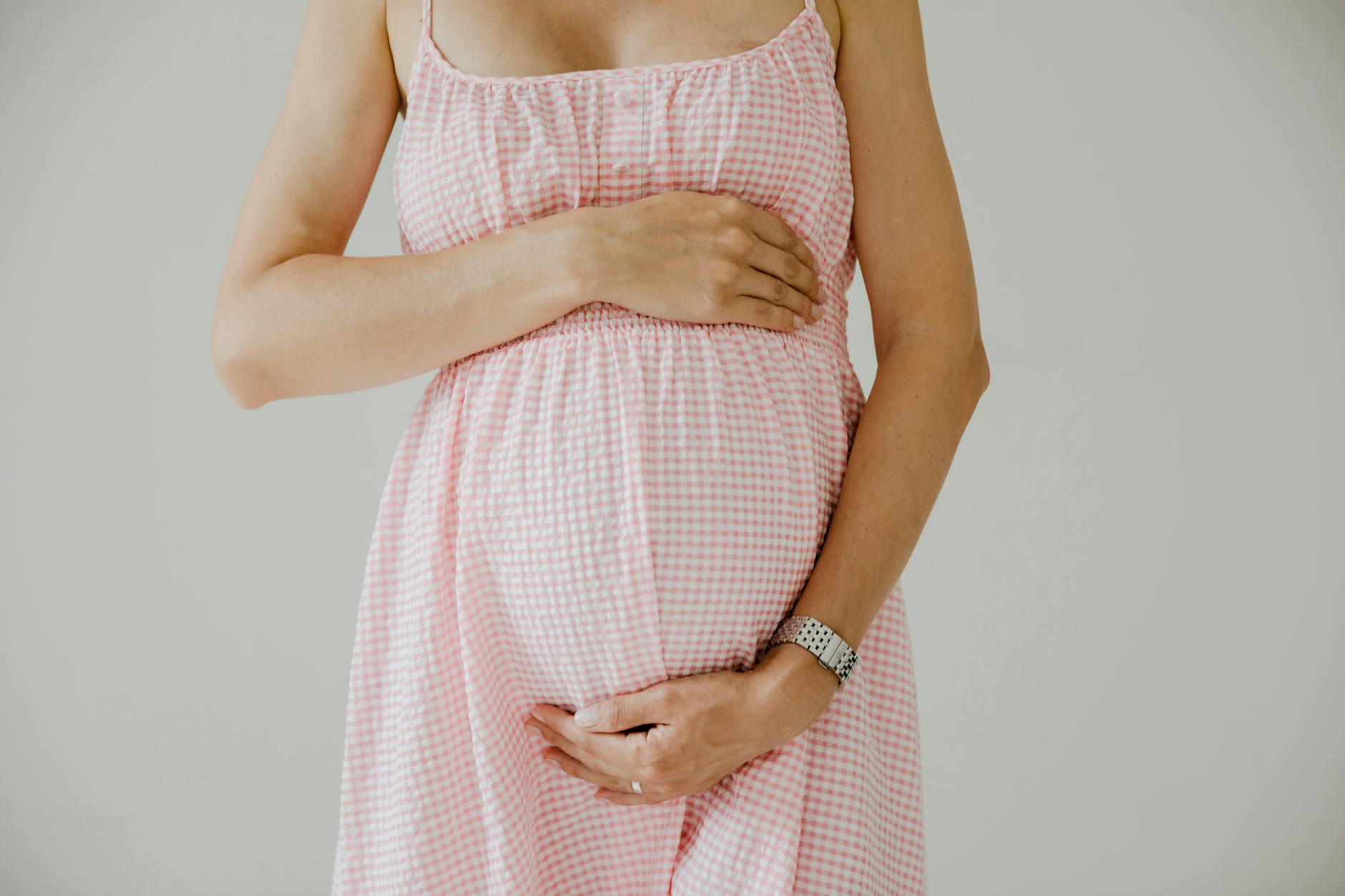
After observing the pregnancies and outcomes of 1.6 million it is best to be in the normal weight range if you can, before becoming pregnant.
The researchers found that 6% of women were underweight, 53% had normal weight, 19% were overweight and 22% had obesity.
Babies born to women who gained too little weight in pregnancy tended to have lower birth weight, have lower chances of caesarean delivery, large for gestational weight babies, macrosomia, higher rates of pre-term birth, small for gestational age infants, low birth weight and respiratory distress.
Gestational weight gain above recommended levels tended to result in higher birth weight, higher rates of caesarean delivery, hypertensive disorders of pregnancy, large for gestational age infants, macrosomia, neonatal intensive care admission, lower rates of pre-term birth and small for gestational age infants.
Observational studies suggest that a higher pre-pregnancy body mass index has a greater impact on pregnancy outcomes and childhood weight than gestational weight gain. Studies of siblings show that maternal obesity at the onset of pregnancy, excessive gestational weight gain and short interpregnancy intervals are all independently associated with obesity in the offspring. Maternal and child health are deeply intertwined across the life course.
Currently about 40% of pregnancies are unplanned, so not all women are open to optimising their weight before pregnancy starts. The Healthy Life Trajectories Initiative and Healthy Adaptation to Pregnancy, Postpartum and Parenthood system aim to improve matters before and between pregnancies.
Cholecystectomy is a commonly undertaken operation for the relief of gall stone pain. In the US 700,000 of these are done, now usually by laparoscopy.
A few years ago a trial was done that randomised patients with uncomplicated, symptomatic gall stone colic to either immediate operation or restricting the operation only to people who had severe recurrent attacks. After a year, symptoms were the same in each group.
After another five years, results have found that the restrictive strategy results in a small reduction in the operation rate, without any increase in complications.
However, whether operated on or not, two thirds of the patients get remission of the pain while one third do not.
My comment: Presumably it would be worthwhile finding out what is the actual cause of the recurrent pain.
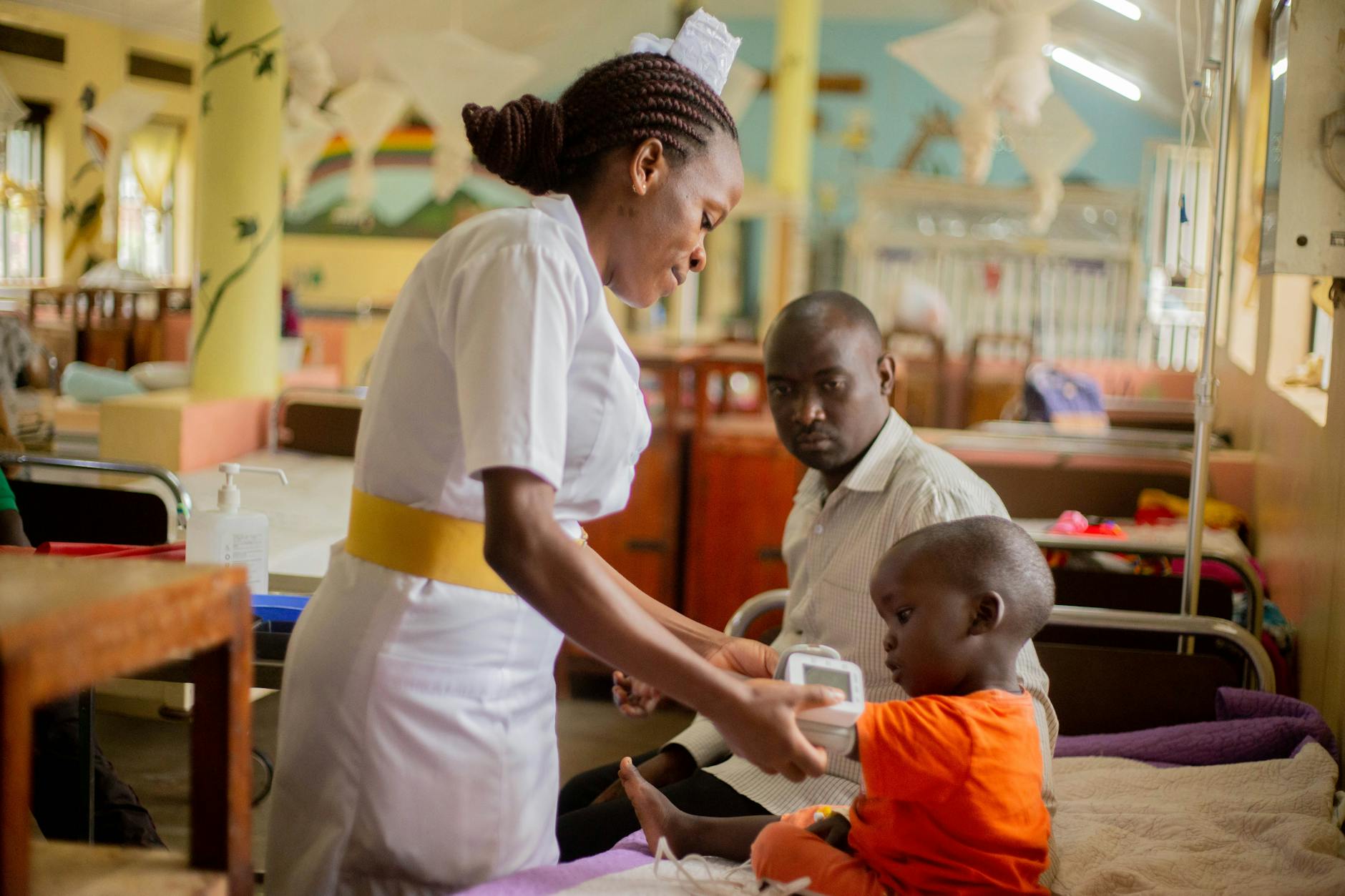
It is taken for granted that a parent will usually stay with a young child in hospital, but this was not always allowed. Mary Lindsay changed that.
She was born in 1926 and died in March 2025 of heart failure after a long career as a paediatrician.
In the early 50s visiting hours for parents of children were severely restricted. This was due to the idea that parents brought germs with them into the hospital and that their presence upset their children. At the time, the emotional development of children was ignored by the medical profession. Mary opposed this view. The first consultant that provided beds for mothers in children’s wards was Dr Dermod McCarthy in Amersham Hospital with whom she worked. He was the only doctor to change his practice after seeing a film about it.
John Bowlby, a child psychiatrist, had presented A two year old goes to hospital to paediatricians at the Royal Society of Medicine in 1952. It was not well received. A professor of surgery wrote in The Lancet, “There is a lot of sloppy sentiment talked about this. If children are left alone for a day or two they forget all about their parents. The hours in hospital after a parent visits is chaotic. The children all cry and shriek and will not go to sleep”.
Various films were made demonstrating the improvements experienced by children when they were allowed to have a parent (usually the mother) with them. Mary appeared in Going to hospital with mother in 1958.
Mary, Dr MacCarthy, and ward sister Ivy Morris, conducted a study of 1,000 children who had been admitted with their parents, and demonstrated how much better they did, but it took till well into the 1960s before the movement to have parents with their children in hospital took off.
Mary was born in Belfast but moved to Dorset where her father was a headmaster. During WW2 she was evacuated to Northern Ireland. She qualified at Belfast in 1951. After experience in paediatrics, general practice, adult and child psychiatry, she became a consultant in child psychiatry in Aylesbury. Throughout her career she emphasised the importance of emotional well being in the physical health of children. In 1989 she was elected president of the Royal Society of Medicine (Paediatric Branch).
Mary married at the age of 75 becoming a step-mother to three children, who survive her.
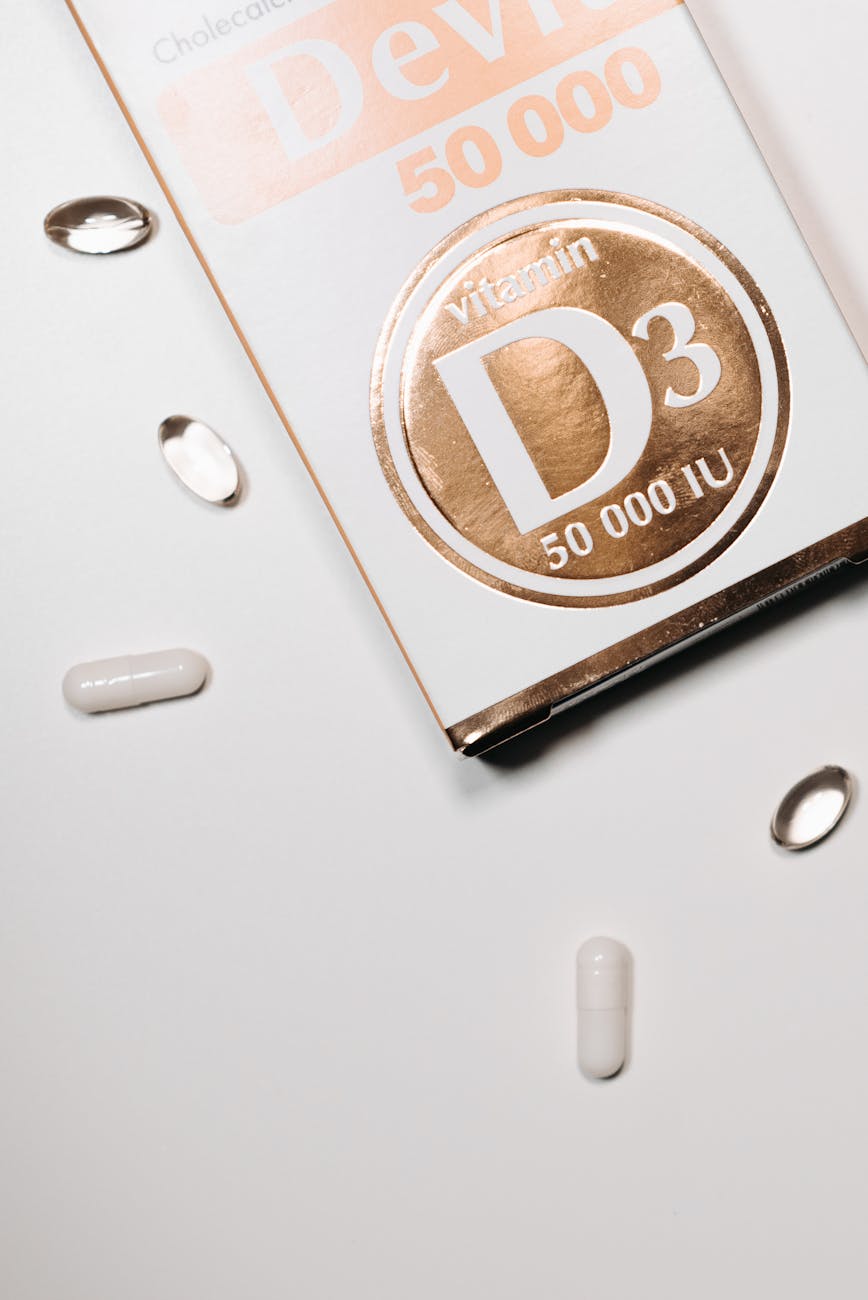
A double blind randomised controlled trial of Vitamin D has shown significant reductions in progression of early multiple sclerosis.
An acute first episode such as optic neuritis or transverse myelitis is known as clinically isolated syndrome typical for multiple sclerosis (CIS).
316 people with CIS who had vitamin D levels below 100 nmol/L were randomised to 100,000 IU of colecalciferol or placebo every two weeks.
After two years the rates of disease activity, either clinically or on MRI were seen in 60.3% of those who had had the Vitamin D and 74.1% of the placebo group.
Last year I had good news for the slightly chunkier older adult regarding total mortality rates, and today I can cheer some of us up with a further study, this time regarding surgical outcomes.
A post operative series of 400 older adults who were getting major elective surgery reports that the mortality rate was lowest in the people who had BMIs of 25-30.
In the post operative period, 25 people out of 133 died whose BMI was in the normal range (20-25), but only one of the 128 patients in the overweight group died in the 30 days post operation. This is despite higher BMIs being associated with cardiovascular disease and type two diabetes as well as other chronic diseases.
Perhaps advice to lose weight before operations needs to be reconsidered if you are overweight but not obese.