Photo by u041fu0430u0432u0435u043b u0421u043eu0440u043eu043au0438u043d on Pexels.com
Adapted from BMJ 21 September 2024
Do you really need a gastroscopy? This is a very commonly performed and unpleasant procedure for the patient. Health Boards tend to have criteria to guide GPs as to referral. Despite this, pick up rates of serious pathology are low.
In the UK, 400,000 gastroscopy results were analysed. Only one in ten showed anything other than normal findings or minor pathology.
Only one in 100 gastroscopies showed malignancy.
In patients under 50, less than 1% had malignancy, regardless of symptoms.
Those most likely to have cancer were men, the over 50s, those who had problems swallowing, and those with weight loss.
After having early invasive breast cancer, development of other cancers or a new breast cancer in the other side, over the next twenty years is only 2.1% more than in women who have not had breast cancers.
The risk of contralateral side cancer is comparatively raised in younger women. Radiotherapy tended to increase the risk of contralateral breast cancer and lung cancer. Endocrine therapy tended to increase the rate of uterine cancer but reduced contralateral breast cancers. Chemotherapy increased the rates of leukaemia.
Other cancers that occurred more often in the breast cancer survivors were soft tissue, head and neck, thyroid, oesophagus, kidney, bladder, skin melanoma, haematological, ovarian and stomach cancers. It is thought that part of the adjuvant treatments for breast cancer could contribute to this increased risk.
Researchers looked at the data of 475,000 women who had been diagnosed between 1993 and 2016. After 20 years, 14 out of 100 women will develop some other kind of cancer compared to 12 out of women without the previous breast cancer diagnosis. 6 out of 100 will develop contralateral breast cancer compared to 3 in 100 of the general population.
This study was done because cancer treatments have long been recognised as contributing to the development of second cancers.
Second primary cancer is known to be substantially higher if a woman has a family history of breast cancer or genetic variants such as BRCA1 and BRCA2. Genetic evaluation of each woman who develops breast cancer will hopefully lead to targeted follow up and treatment.
Gepotidacin is the first new antibiotic to be approved in the UK in 30 years.
It has a mechanism that makes it more difficult than usual for bacteria to develop resistance to it.
It is approved for females over the age of 12 and over the weight of 40 kg.
Its use will only be for uncomplicated urinary tract infections.
My comment: Urinary infections are indeed a misery. I’m delighted that another antibiotic has been found. Remember that D:Mannose can also be very effective for the prevention and treatment of UTIs.
Respiratory syncytial virus (RSV) is the most common cause of acute lower respiratory tract illness in infants. Two years ago, and international trial demonstrated that vaccinating pregnant women against RSV reduced the number of newborns admitted to hospital with lung infections.
A UK study has now confirmed the benefits. There was a 72 percent reduction in babies hospitalised due to the virus compared to babies whose mothers had not had the vaccine.
In another study of adults from New York, getting RSV badly enough to require admission, led to an increase in acute cardiac events. More than a third of the patients ended up having heart failure, atrial fibrillation, and myocardial infarction after RSV infection. Most events happened within the month following admission. Half of the events occurred in patients with no prior history of cardiac problems.
Vaccination against herpes zoster is very effective in preventing shingles and post herpetic neuralgia in older people.
In Korea, examination of results after vaccination also indicate that major cardiac events reduced by one third. The protective effect lasted eight years after vaccination.
In the UK, the vaccine has been rolled out over the last ten years or so, and people are called depending on their date of birth. If you get invited, it is well worth getting the vaccine.
Other research has shown that the vaccine prevents shingles entirely only for the first year after vaccination and after that shingles becomes increasingly common again till almost all immunity is lost at the ten year point. However, there is still a reduced rate of post herpetic neuralgia in those who have been vaccinated.
Booster doses of the vaccine have been shown to reactivate vaccination effectiveness but so far this is not being done routinely in the UK.
In my young days as an orthopaedic surgeon, used to see a lot of trauma from motorbike accidents and accidents to manual workers. Most fractures are now due to minor falls, and due to the high amount of osteoporosis in the population, these are usually at the hip, wrist, upper humerus and vertebral bodies.
Half a million or so fragility fractures occur in the UK every year. This number is expected to rise by 25% by 2034. 2% of women at the age of 50 have osteoporosis and this reaches 50% by the age of 80. One in four Britons will get an osteoporotic fracture in their lifetime.
The Reduce study found that the length of hospital stay could be reduced by early post operative mobilisation and multi-disciplinary meetings with less surgical focus.
Half of all people who have a hip fracture have had a previous fragility fracture. The first fracture would be a good time to intervene in order to prevent further fractures. Breaking bones, losing height and having curved spines, is not an inevitable part of aging. Half of osteoporotic fractures can be prevented.
Exercise and anti-osteoporotic medicines are the backbone of treatment. A diet of oily fish and not being too thin are helpful. Bone enhancing oestrogen is manufactured in peripheral fat after the menopause.
Bones and muscles respond to how much we use them. Muscles get bigger with activity and make falls less likely. Bones increase in density with strength training. Balance and posture are also important factors to improve. Inactivity for whatever reason creates a vicious circle where bones get progressively weaker.
All medical staff and carers of older people need to embrace preventative strategies to optimise bone health and encourage activity and strength training to reduce fractures.
The National Institutes of Health and Oxford Biomedical Research have found that after GLP-1 weight loss drugs are stopped, rapid weight regain occurs, and it occurs a lot faster than if the weight was lost by traditional dietary methods. The average time to regain the lost weight is 1.7 years.
The research covered 9,341 participants over 37 studies. Two thirds had used weight loss injections and one third had used dietary methods.
Those using the injections achieved a lot more weight loss than dietary methods, losing about 14% of their starting weight, compared to 5% for the dieters.
Currently 40.3% of US adults are obese and 26.2% are obese in the UK. Other countries with high levels include India and Egypt. This leads to higher rates of type two diabetes, cardiovascular disease, dementia and premature death.
Weight loss surgery seemed to be the most effective option, until the injections came on the scene.
The injections lead to around a 4.6 kg weight loss which is equivalent to lowering the BMI by two points. Although very effective many users stop the injections in the first year of use. The average time of use of the injections is 39 weeks. After stopping, weight gain increases at a rate of 0.4 kg a month. Within two years, the average user is back to their previous weight. Dietary strategies to lose weight have a similar trajectory.
The commonest reasons given for injection discontinuation are cost, side effects and inconvenience. Getting people to commit to healthy diets and lifestyles does work to keep weight off but most people struggle to keep going.
People in the Diabetes Prevention Programme achieved 5-7% weight loss on diet and lifestyle measures alone. Even though they did indeed regain the weight, they did experience less diabetes than the control group. However, one group that did not do as well were the people who had a BMI in the “healthy” range of 18.5 -24.9. They ended up having more diabetes than those who had not attempted weight loss in the first place. It is thought that losing muscle as well as fat was the problem. This can be prevented if people in the healthy range use exercise as the main way to lose weight.
Researchers think that the general public need to be aware that the weight loss injections are not a magic bullet and that healthy diet and lifestyle practices are still relevant and useful. They think that taxation on sugary beverages, clear food labelling and subsidies on fresh fruit and vegetables would improve diet quality generally.
Laser induced retinopathy can cause painless blindness. It is a condition characterised by various degrees of retinal injury caused by exposure to laser light. The vision can be reduced generally or by the presence of a central black spot.
Prognosis depends on the extent of the injury. Full thickness retinal damage, macular damage, large range damage and neovascularisation indicate a poor prognosis.
Parents and children should have more knowledge of these risks.
Case study: A child was found to have noticeably decreased vision in his left eye during a routine optometry examination. He had had normal vision six months previously. He had had no symptoms at all. He had been given a green laser pointer six months before and had played with it frequently.
He had looked directly at the light several times while holding it himself. Visible damage to the retina was seem on examination.
My comment: Obviously, don’t shine the laser light into your cat’s eyes either.
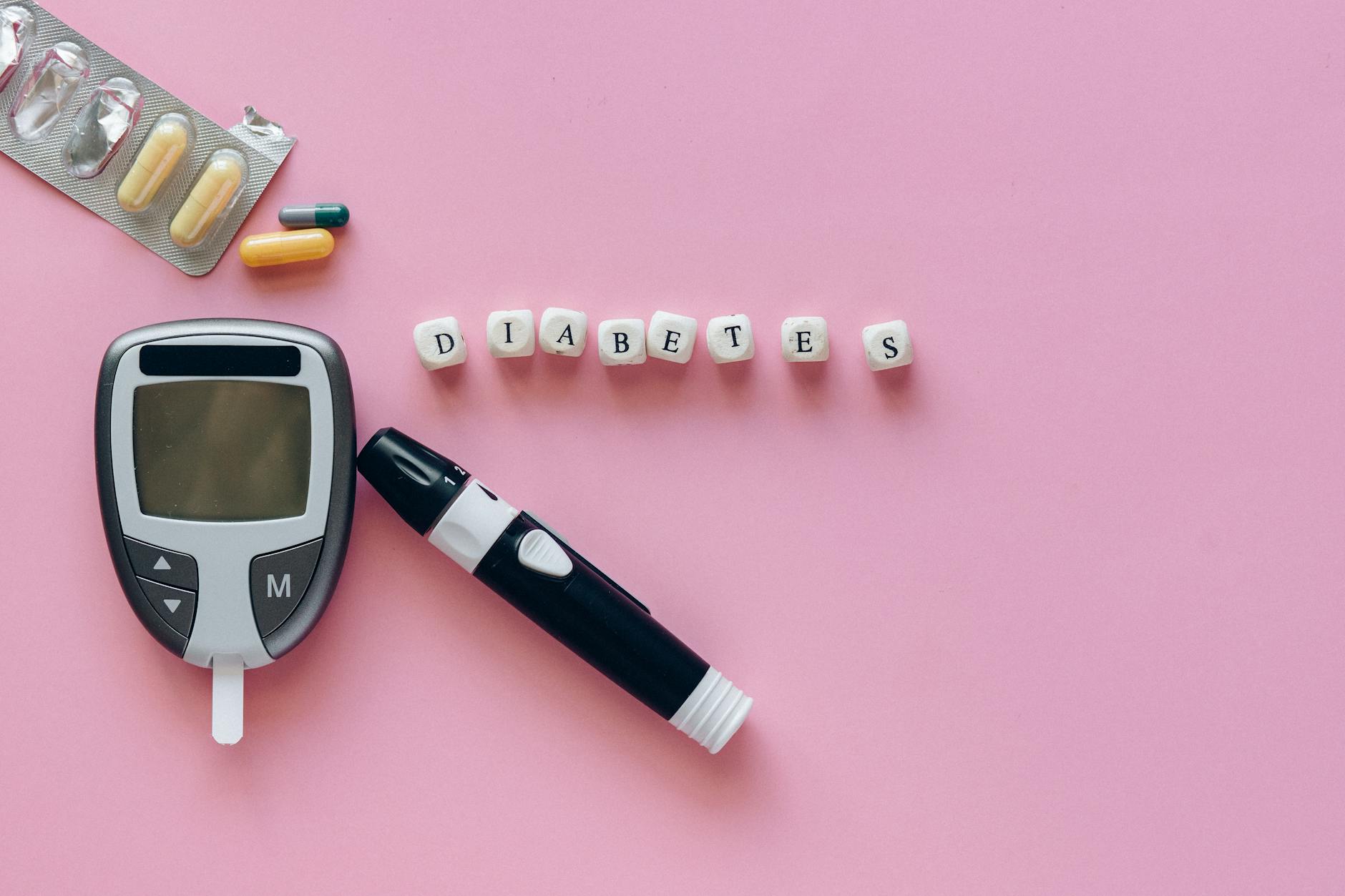
The UK drug regulator has approved the first immunotherapy to be licenced to delay the progression of type one diabetes in patients with the early stage of the disease.
MHRA says that teplizumab (Tzield) manufactured by Sanofi, can be given to children over aged 8 and adults who have stage 2 of the disease and are at high risk of progressing to stage 3. At stage 3 blood sugars are raised and usually symptomatic.
If the condition can be detected at stage 2, a 14 day course of daily infusions can delay the onset of symptomatic type one diabetes by an average of three years. It works by binding to certain immune cells and may deactivate those cells that attack insulin producing cells, while increasing the cells that moderate the immune response.
NICE is determining the cost effectiveness of the programme and will decide if it should be rolled out in the NHS. The final report has not yet been published but draft guidance as of January 2026 indicates that it will not be rolled out in the NHS.
My comment: This article was published in September 2025 following approval made by the MHRA in August. So far I’ve heard nothing as to whether this drug has been approved by NICE or not. NICE is very keen on value for money. Apart from that, an important aspect is how clinicians are meant to identify those individuals who are on the cusp of developing symptomatic diabetes but who don’t yet know it. Siblings of Type Ones are at high risk (1 in 20 as far as I remember) and children of Type One men (1 in 3). I would imagine that one strategy would be monthly to three monthly finger prick blood sugar tests for those at risk over the age of 8. Time will tell.







 Diabetes Diet