Happy New Year

Photo by RDNE Stock project on Pexels.com

Emma and I wish you all a Happy New Year 2026

It is a hundred years ago that my grandmother got married. She wore a slightly below knee straight white plain dress, white stockings, pointy white shoes with a strap over the top, and a long, quite thick, lace veil that was kept in place with a circle of flowers placed low on her head. Her hair was bobbed, and she had teeth. The men were all in smart suits that they could walk down the street in now, and all you would say would be, what smart looking young men.

I mention my granny’s teeth because by the time I came along, they were long gone, and she never wore her false ones.

This year, my elder son is getting married. We are all on diets and keep fit regimes of different kinds in order that the Morrisons don’t look like tubs of lard in the coming photos. I’ll let you all know what seems to have been the most effective of these strategies nearer the time.

I expect some of you will be thinking of New Year Resolutions. As I’ve said, our family has had a head start of several months to a few weeks. What self improvement or world improvement plans do you have?

Whatever you have planned, I hope you can make your plans doable and that you keep on track.

Today, as opposed to the cop-out Christmas dinner that I was responsible for, is my husband’s piece de resistance. He takes a leaf from his late mother’s book, and doesn’t feel that he has done it right unless he has us all sitting round the table, eating multiple courses and feeling that we can neither eat nor walk afterwards.

My soon to be daughter in law will join us too. As she is a midwife and has no children, she does the usual thing for health care and emergency service staff, which is to allow people who have young children have priority for Christmas off and allow the young singletons priority for the New Year parties. Thus, for the third year in a row, we are having our traditional Christmas dinner on Hogmanay Evening. After this we play games which my younger son always wins.

Towards The Bells, we usually put on the Scottish Television Channel and watch something dire with lousy singers, lousy dancers and a bit of tartan. How my husband misses Jackie Bird’s shimmery outfits and how I miss Ricky Fulton’s dry humour.

Have a lovely time whatever you plan, and I sincerely hope that next year, when you look back on 2026, that you have happy memories.


Merry Christmas

Photo by Pixabay on Pexels.com

Emma and I wish you all a Merry Christmas.

This year I am “cooking” dinner again, which is Marks and Spencer’s Harissa Prawns and a gluten free Yule log. This involves taking these items out of the packages, shoving the prawns in the oven, and pouring cream over the slice up Yule Log. Our particular family tradition is to eat our Christmas Dinner in the evening. This leaves the day time for a walk or just to play with our stuff.

This is now the third year in a row that I’ve been responsible for the Christmas dinner, but got out of a hell of a lot of work by invoking the magic of St Michael.

Whether you have slaved in the kitchen all yesterday and today, or whether you have done no such thing, like me, I hope your day goes smoothly.

I have a friend who is definitely experiencing her last Christmas day today. It makes me feel rather sad. I hope to visit her during the day. Some of you will be in the same position, and even for those with close family, you don’t always get to see them on the big day.

A big thank you to all of those workers in the health care, energy infrastructure, transport and emergency services that enable the rest of us to have the day off in comfort and safety.

Be careful with alcoholic drinks in these countries

Photo by Engin Akyurt on Pexels.com

Adapted from BMJ 8 November 2025

Every so often there are reports of tourists and travellers who become blinded or die from the effects of Methanol poisoning.

Hopefully, going into reputable bars could lessen the risk, but you do not always see what alcohol is being put into your drinks, and you don’t usually see a barman open the seal on the bottle.

The Foreign, Commonwealth and Development Office says that these are the countries where most incidents occur:

Ecuador

Peru

Japan

Fiji

Indonesia

Cambodia

Vietnam

Laos

Thailand

Russia

Kenya

Nigeria

Uganda

Mexico

Costa Rica

Turkey

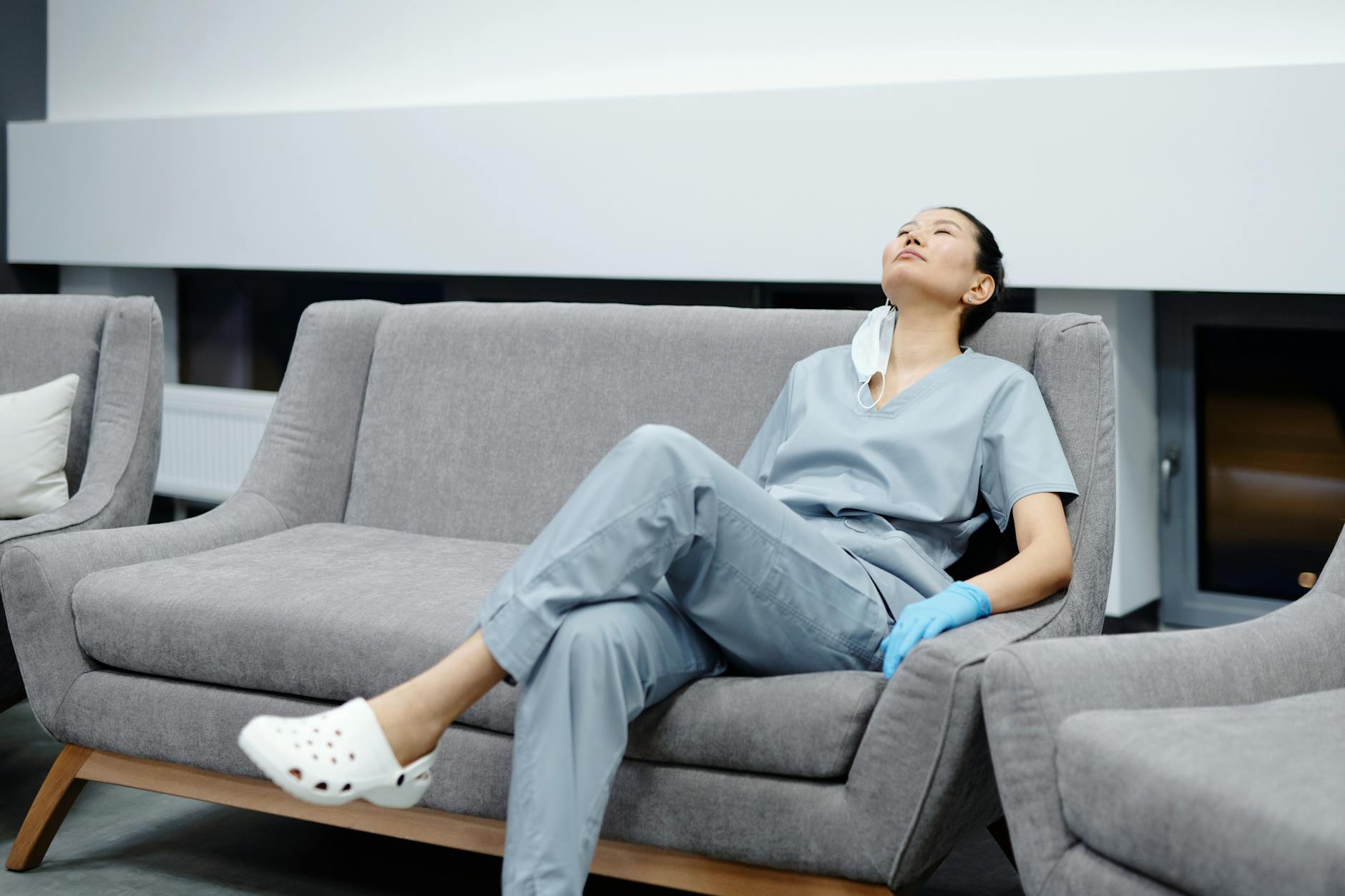
System changes could make working life better for NHS employees

Photo by Cedric Fauntleroy on Pexels.com

Adapted from BMJ 25 October 2025

A Care Under Pressure review by J. Maben et al has examined the causes and solutions to workplace psychological ill health in nurses, midwives and paramedics.

The NHS needs healthy, motivated staff to provide high quality patient care. Nurses, midwives and paramedics make up 56% of clinical staff in the NHS and they have high rates of mental health problems.

High pressure environments with heavy workloads and staff shortages are linked to mental ill health. In 2023 42% of NHS staff reported psychological unwellness due to work related stress. 32% said there was not enough staff to do the job properly and 74% said they suffered from unrealistic time pressures.

Psychological ill health in turn increases staff sickness and resignations. Other staff are under performing because they are at work while under severe psychological stress. Patient care suffers as a result. The estimated cost of this is 12 billion a year to the NHS. The review researchers think that they could save up to 1 billion a year if their recommendations were implemented.

Over 200 research papers were examined for the review. They found that aspects of the job and workplace were more important than the individual profession when it came to the causation of psychological distress.

Those who were most at risk were staff in roles that exposed them to trauma, newly qualified staff and lone workers.

They found that failure to take a long term view of effects on staff, the blame culture, managers who don’t listen to employees, and prioritisation of the needs of the system over the individual, were major causes of psychological distress.

Matters could be improved if the NHS invested in the provision of long term psychological support, reduce bullying and harassment, provide space and places for staff to share experiences and use an evidence based framework to evaluate interventions.

The stigma of having psychological distress in response to work needs to change. The blame culture needs to be tackled. Most staff are simply doing the best they can under very difficult circumstances. Essential needs such as access to hot food, lockers, showers, car parking, rest and break rooms are needed.

Improvements need to be tailored to the local workforce needs. The researchers have produced a summary, guidance and webinar of their work for leaders, nurses, midwives and paramedics.

Diabetes Action Canada: Trade Tariffs affect patients directly

Photo by Ramaz Bluashvili on Pexels.com

Adapted from BMJ 25 October 2025

Linxi Mytkolli, Director of patient engagement Diabetes Action Canada.

Every 10 days I insert a glucose sensor into my skin. Every three days I change the site for my insulin pump. These US made devices are how I manage my diabetes and how I stay alive. But they are not exempt from broad trade tariffs, and like many other essential medical technologies, they are now caught in an increasingly fragile global supply chain.

Lives are being placed at risk by decisions made far from the people that they affect. Steel tariffs delay infusion set manufacture, aluminium cost affect the provision of mobility aids and electronics affect hearing aids.

Steel based infusion sets are now unavailable in many countries. Without them, insulin can’t be delivered via pump systems. And it’s not just diabetes. Wheelchairs and prosthetics rely on specialised components that are affected by tariffs and restricted supply. These tools are necessities.

Trade discussions tend to focus on gross domestic product, national competitiveness and domestic manufacturing jobs, but health outcomes for people who depend on imported medical technologies also matter.

The US has increased tariffs on steel and aluminium exports to 50%. These tariffs can trigger global supply shortages and higher prices. There is no clear mechanism to protect the people who rely on medical devices that are affected.

Trade and procurement officials must actively engage with people with disabilities and patient organisations to identify essential devices and ensure that they are protected from tariffs and other restrictive policies.

Health ministries need to report and act on medical device shortages with the same urgency that they give to drug shortages.

Over one billion people worldwide live with disabilities and long term conditions. Medical device access isn’t just a logistics problem, for many it is a matter of survival.

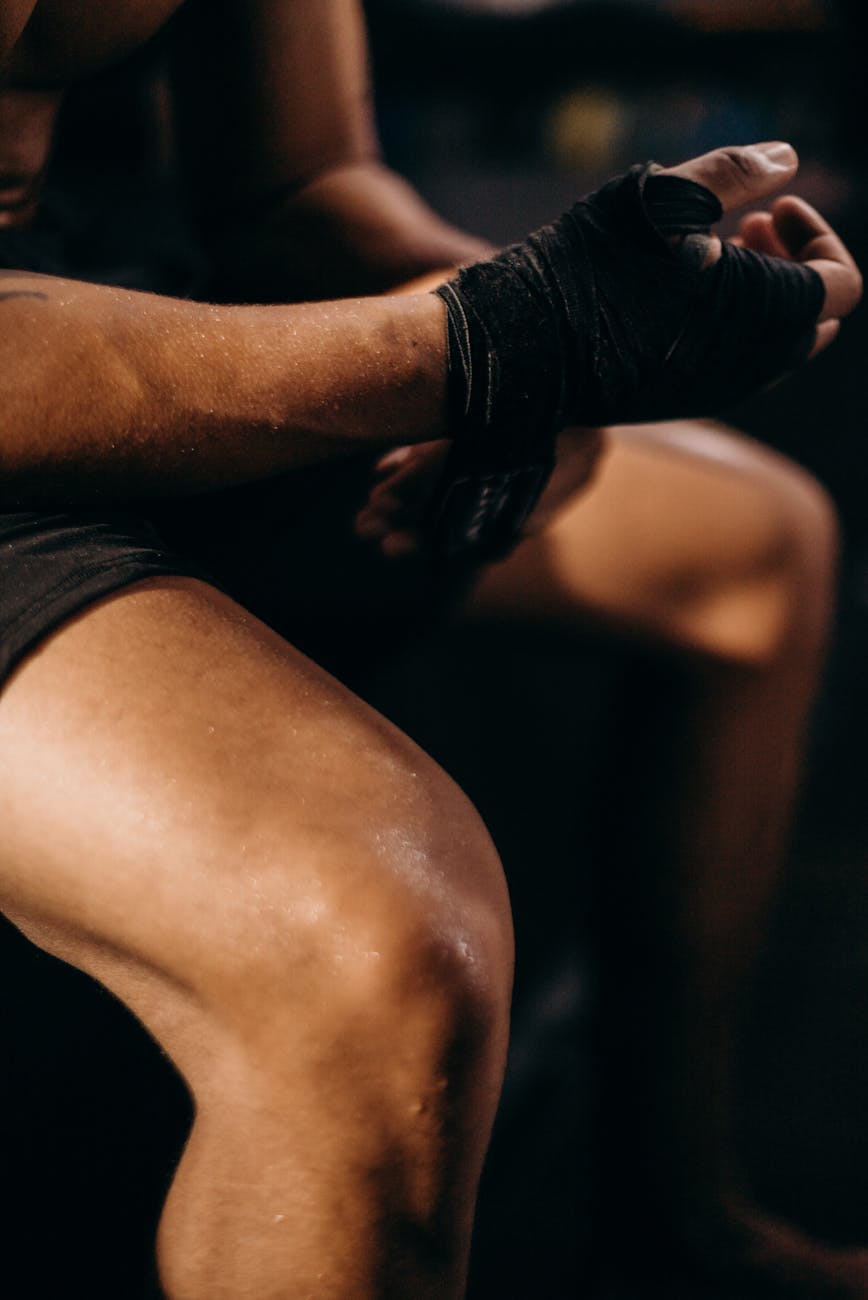
Aerobic exercise is the best exercise if you have knee osteoarthritis

Photo by cottonbro studio on Pexels.com

Adapted from BMJ 25 Oct 2025

A systemic review and meta-analysis looked at 217 randomised controlled trials with over 15 thousand participants in order to evaluate different exercise interventions in people with osteoarthritis of the knee.

They found that overall aerobic exercise was the best at improving pain, function, gait and quality of life.

They evaluated several types of exercise including aerobic, flexibility, strengthening, mind-body, neuromotor and mixed exercise.

The outcomes measured were pain, physical function, gait and quality of life.

Follow up was done at 4, 12 and 24 weeks.

Although you would expect improvement with almost all of these exercise regimes, aerobic exercise came out top. So, get your walking shoes on.